Building Silent World: A Shelter, a Fence Line, and a Radio That Never Answers
Most survival worlds are built around threat maps – where the danger is, how it moves, how close it can get. Silent World needed something different: a map of absence. Every location had to answer one question before it answered any other: what does it feel like to be the only person who will ever stand here again?
Starting With What's Missing, Not What's There
Early in development we made a rule that shaped everything after it: the infected are never shown, never fought, and barely described. The source text mentions them only as a distant, structural fact – something that happened, past tense – not as an active threat on the page. That constraint forced every location in the world to justify its tension without relying on a monster. It turned out to be the harder, more interesting design problem, and it's the reason this world doesn't feel like every other zombie property on the market.
The world is built around four core spaces, each carrying a distinct emotional weight:
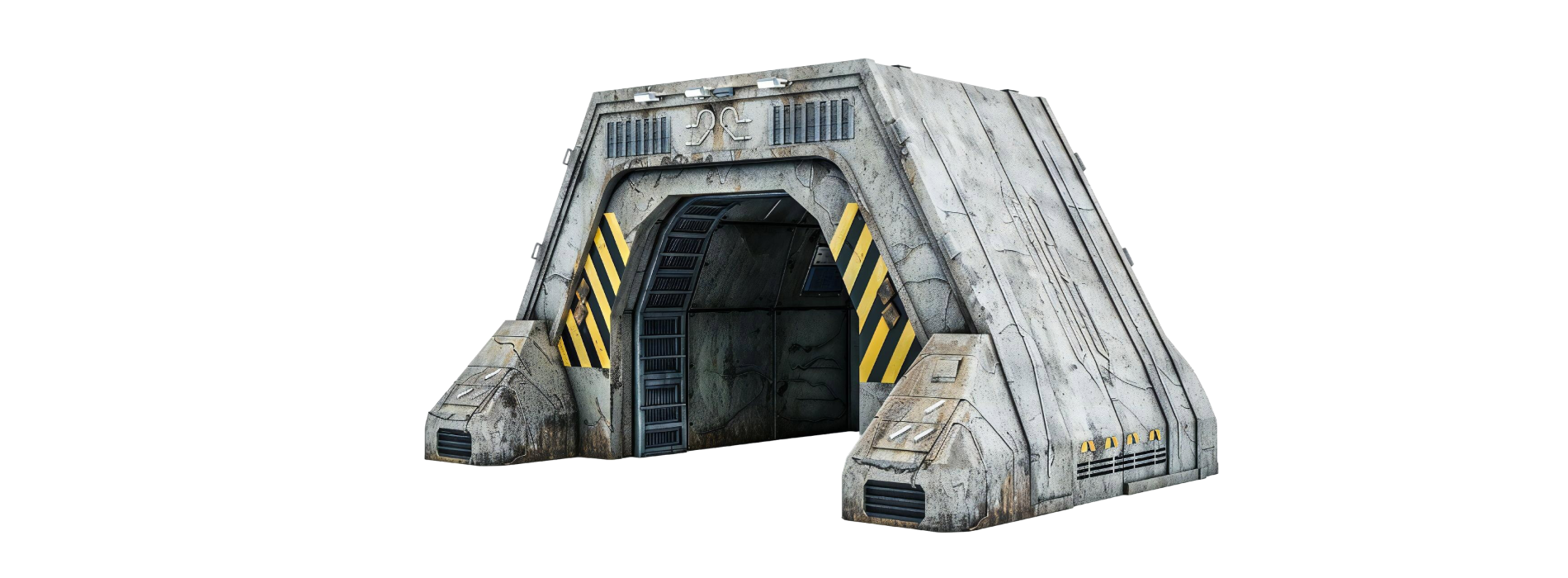
- The shelter – a fortified library, chosen for its mass and its stone: easy to defend, hard to draw attention to. This is the world's only truly safe space, and its interior is the most detailed location in the entire build.
- The basement command post – generator, batteries, camera monitors, and a radio station. Functionally the emotional engine of the whole experience: this is where hope gets transmitted and, every time, met with static.
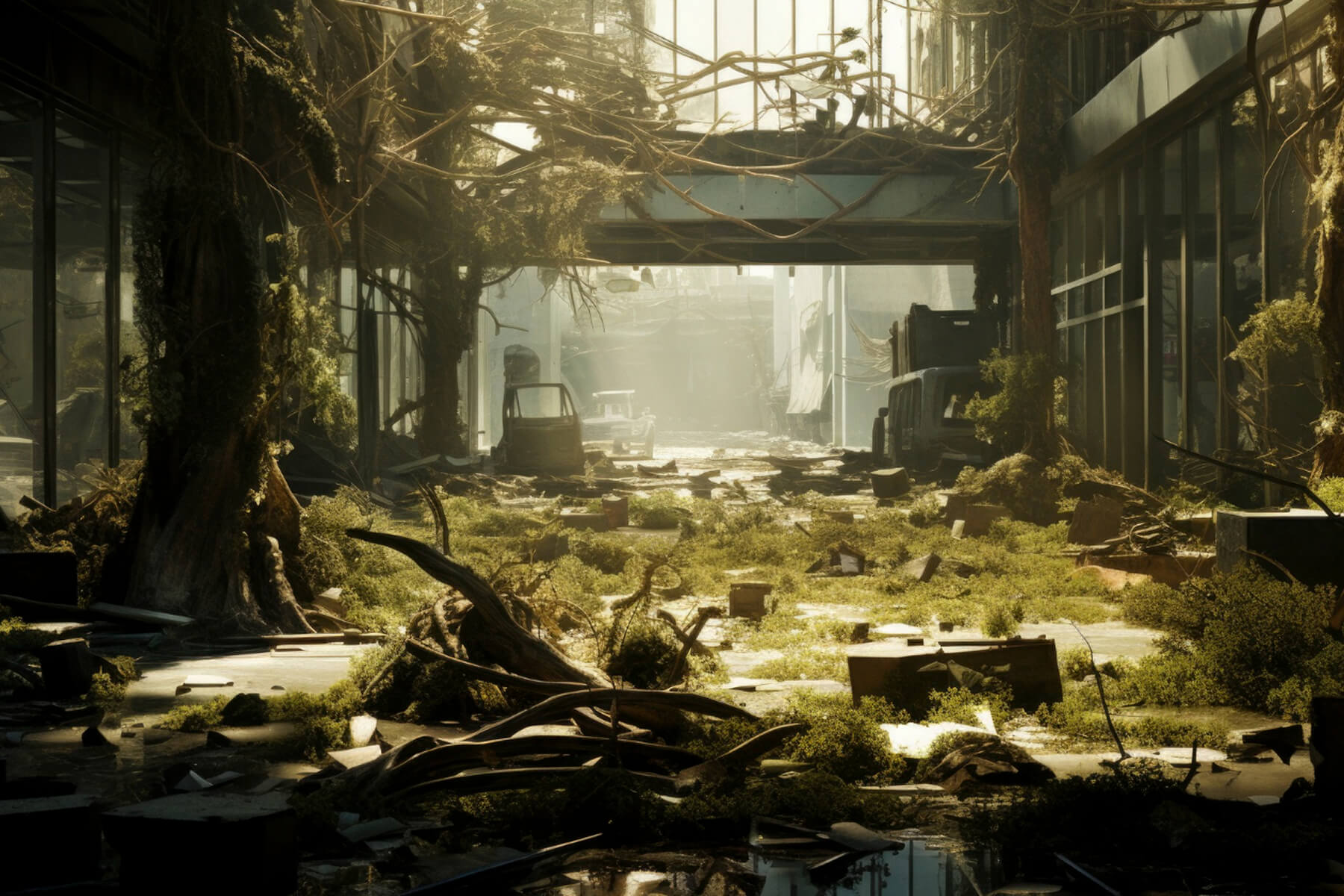
- The fence line and the streets beyond it – overgrown suburban blocks, houses wrapped in rusting barbed wire, driveways with cars still parked exactly where their owners left them.
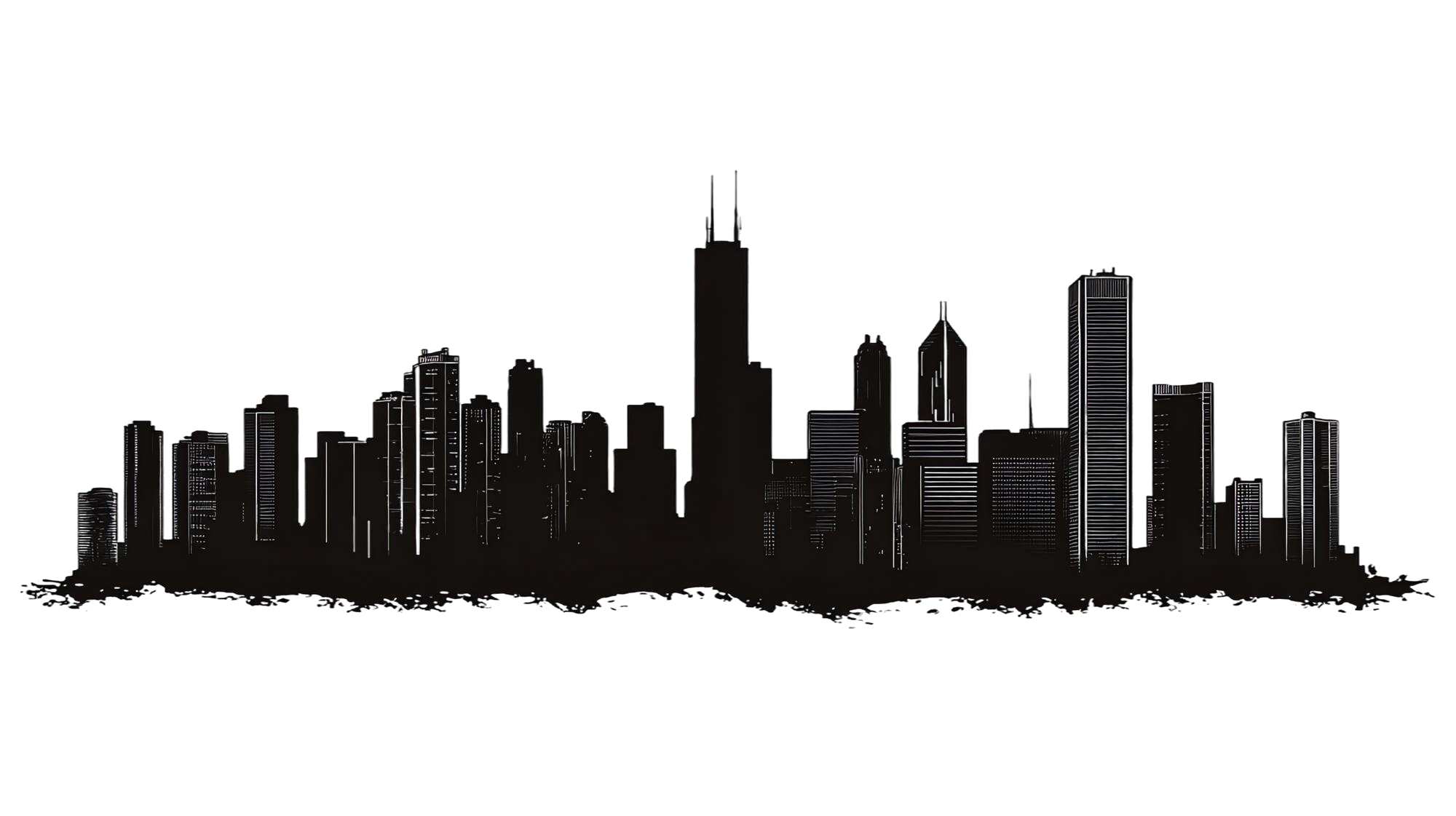
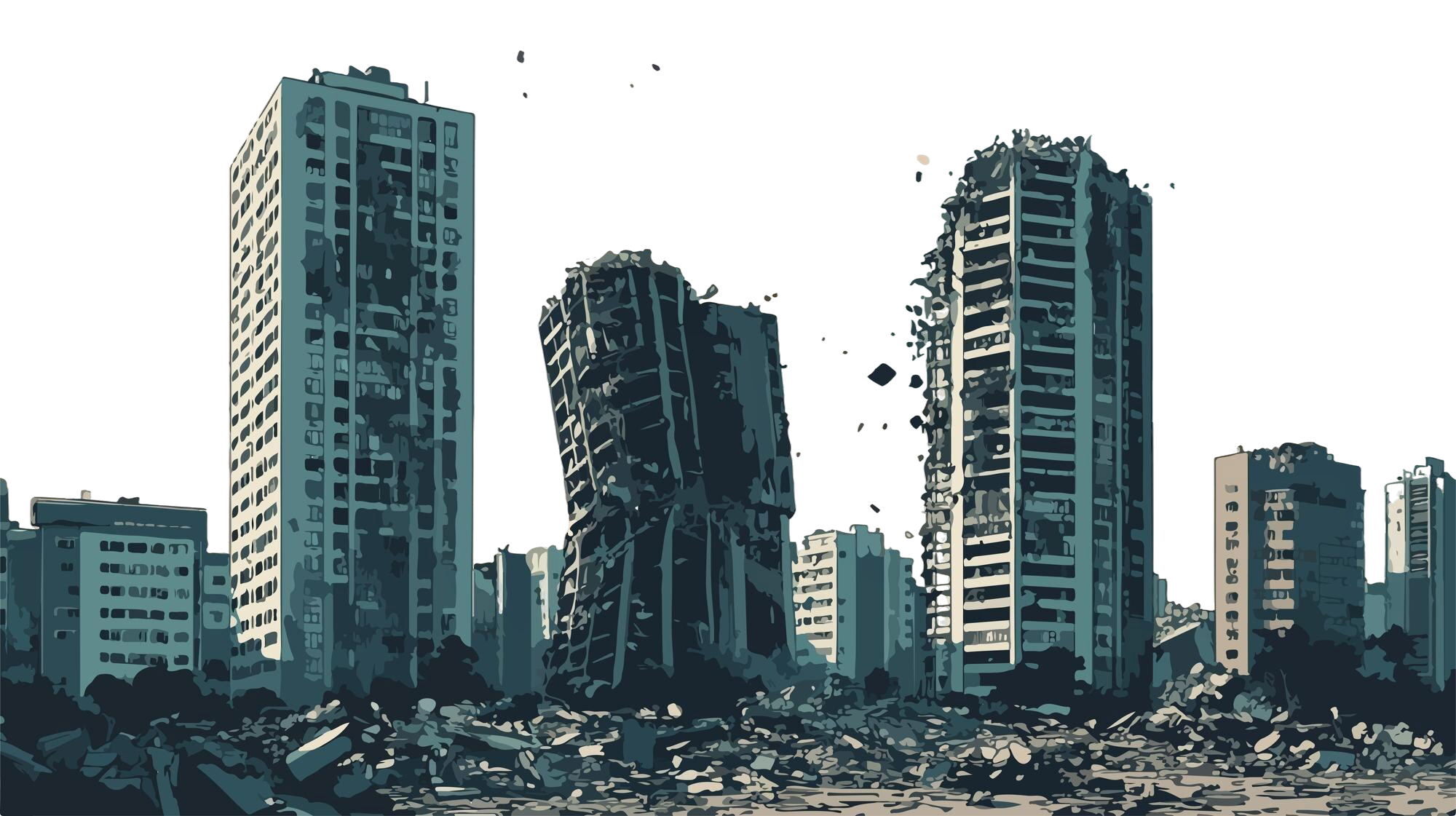
- The rooftop – the world's widest view, and its loneliest. From here the city looks intact, almost peaceful, and that's precisely the point: distance turns catastrophe into something that could almost be mistaken for calm.
Designing a Day, Not Just a Threat
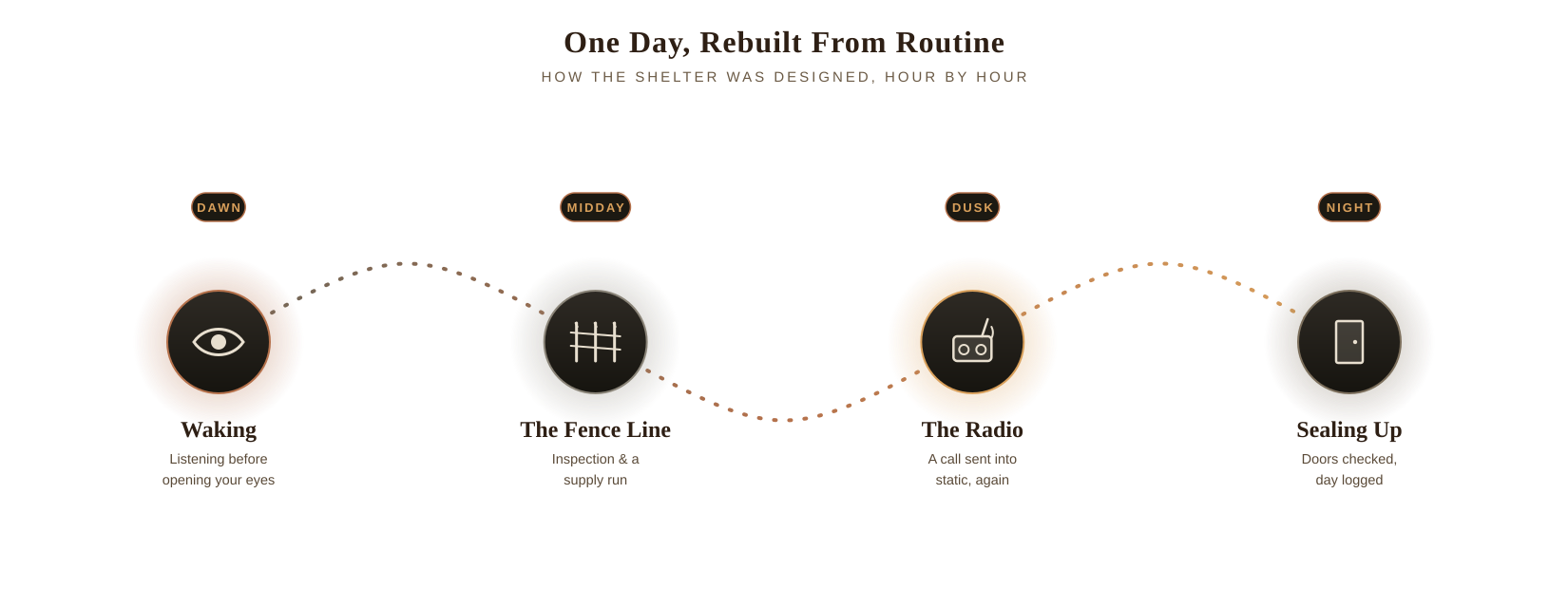
Instead of building the story around encounters, we built it around a single day's routine, echoing the source material's insistence that discipline is what keeps a mind intact. The listener moves through: waking in total silence and listening for anything out of place before opening their eyes; a fence inspection; coffee brewed as ritual rather than necessity; a descent into the basement to check the generator, the cameras, and the radio; a supply run past houses that look almost lived-in; and an evening spent sealing doors and logging the day's findings before the light goes.
Nothing here is an action set-piece. The tension comes from something quieter: the constant, low-grade work of not letting a single detail slip, because in this world, letting your guard down for one evening is the actual threat – not a monster around the corner.
The Radio: One Scene, Rebuilt a Dozen Times
The transmission scene went through more revisions than any other moment in the world. Early drafts had the protagonist eventually receive a signal – a voice, a fragment, something. We cut it every time. The entire emotional architecture of Silent World depends on the radio never answering. The moment it does, the story becomes about a rescue. Left unanswered, it stays a story about a person who keeps choosing to try anyway, which is a very different – and much more interesting – kind of story to sit inside for an hour.
What we kept instead: the specific, ordinary language of the call itself. Coordinates. Status. Supplies. Readiness to make contact. Said the same calm way every time, deliberately, because the source text is explicit that a voice screaming into the void helps no one – if someone really is out there, they need a level-headed partner, not a panic.
Sound Design for the Absence of Sound
This is the first world we've built where the sound brief was mostly about subtraction. Normal ambient design layers texture on top of texture; here, most scenes needed the opposite – long stretches of near-silence, broken only by something small and specific: a generator's steady hum, a raven's call, wind moving a loose gutter. We treated silence itself as a designed element with its own "texture" per location, following the source material's own observation that quiet indoors feels dense and pressing, while quiet on an open street feels looser, indifferent, almost natural. Interior silence swallows footsteps. Street silence just continues past you, the way weather does.
The few sounds that do appear were chosen for how ordinary they are, on purpose. A kettle. A door latch. A gate closing with a dull metal thud. None of it is dramatic. All of it is exactly the kind of sound a person would actually miss most, once it stopped happening around them constantly.
What We Left Out
We cut almost every scene that showed the infected directly, and we cut every scene where the protagonist found another living person. Both cuts were hard, and both were necessary. This isn't a story about a fight, and it isn't – yet a story about rescue. It's a story about what a person does with themselves in the space between those two things, when neither one is coming.

Two Ways to Build This World – And Why We Picked the Harder One
Early in development we sketched both versions of this world side by side, to make sure we weren't defaulting into the genre's loudest habits out of momentum:
- Version A – explicit threat. Infected visible on camera feeds, occasional close calls at the fence, a horde passing at a distance. Familiar, reliably tense, easy to market with a single dramatic clip.
- Version B – implied threat. No infected shown or fought, danger inferred entirely from absence: silence where there should be noise, a world that's simply stopped, not actively hostile. Harder to pitch in one sentence, much harder to keep tense without a monster to point at.
We built Version B, and it cost us real production time – every scene had to generate tension without the genre's most reliable tool. But it's also the reason this world doesn't sound like anything else already on the market wearing the same "post-apocalypse" label.
The Shelter, By the Numbers
A few concrete choices that shaped how lived-in the shelter needed to feel:
- One location, four functions. The fortified library serves as bedroom, archive, workshop, and command post – deliberately, because a single character maintaining four separate spaces would have diluted the sense of a life scaled down to exactly what one person can sustain.
- The basement does the emotional heavy lifting. Generator, batteries, camera monitors, and the radio all live in one windowless room – the one space in the world with no natural light, which turned out to be the right call for the story's most emotionally exposed scene.
- The rooftop is the only wide shot. Every other location is close, contained, almost claustrophobic by design. The rooftop is the sole exception, and it's used exactly once per act, so its sense of scale never gets worn down by overuse.
- The fence line is measured in routine, not distance. We never specify exactly how large the perimeter is. What matters structurally is that it takes roughly the same amount of care to check every single day – the routine is the point, not the geography.
What's Next
In the final article of this series, we'll look at what this world actually does to a listener over the course of an hour – the specific, unusual kind of calm that comes from sitting inside someone else's discipline, and why a story with no other characters in it turned out to feel less lonely, not more.