
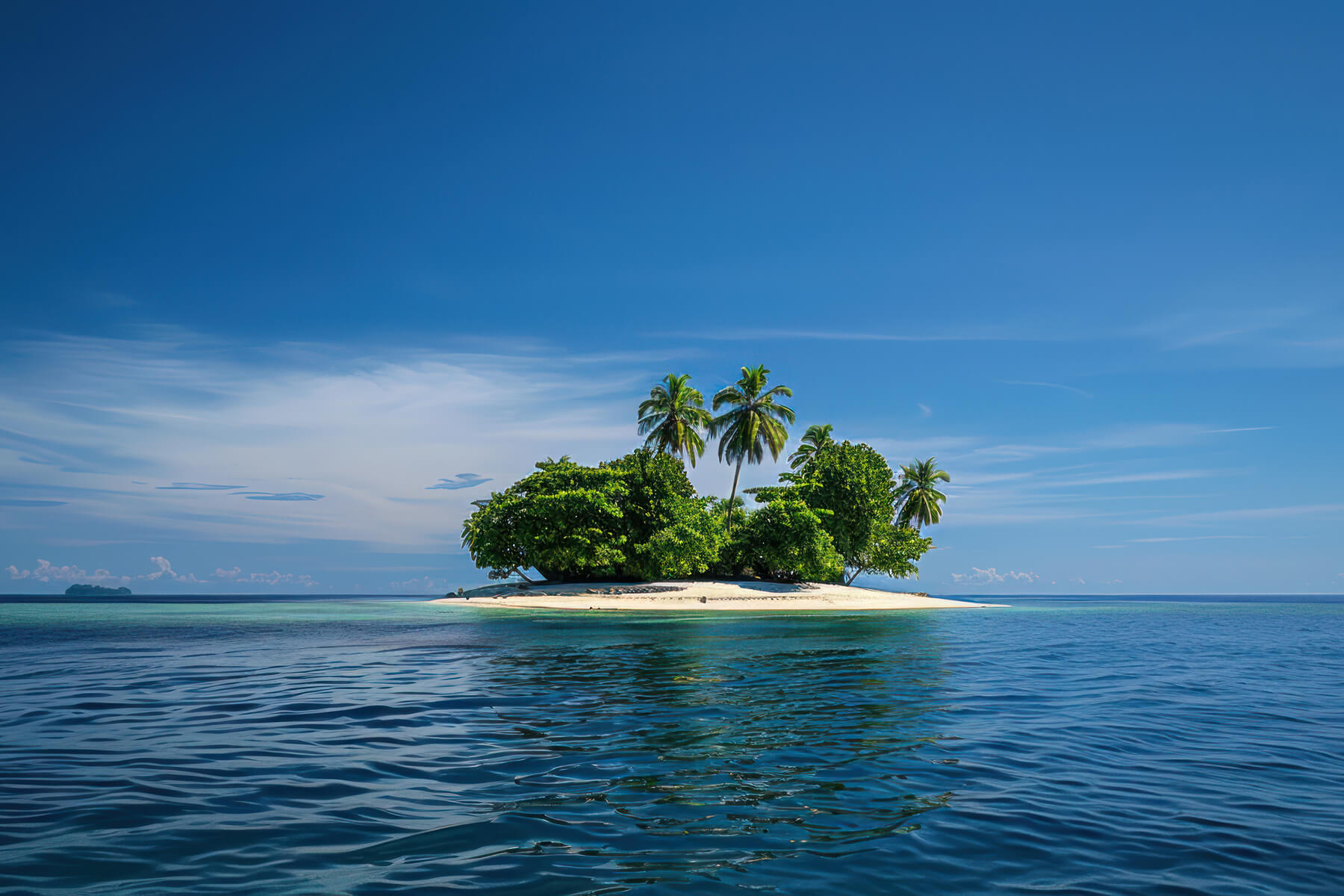
What Actually Happens to You on This Island
We can describe an idea. We can describe how we built it. What's harder to describe – and what actually matters – is what it does to the person sitting on their couch with headphones on, eyes closed, nowhere near an actual ocean. So this last piece isn't about the island. It's about you, somewhere around minute twelve.
The First Few Minutes: Your Body Doesn't Know It's Safe Yet
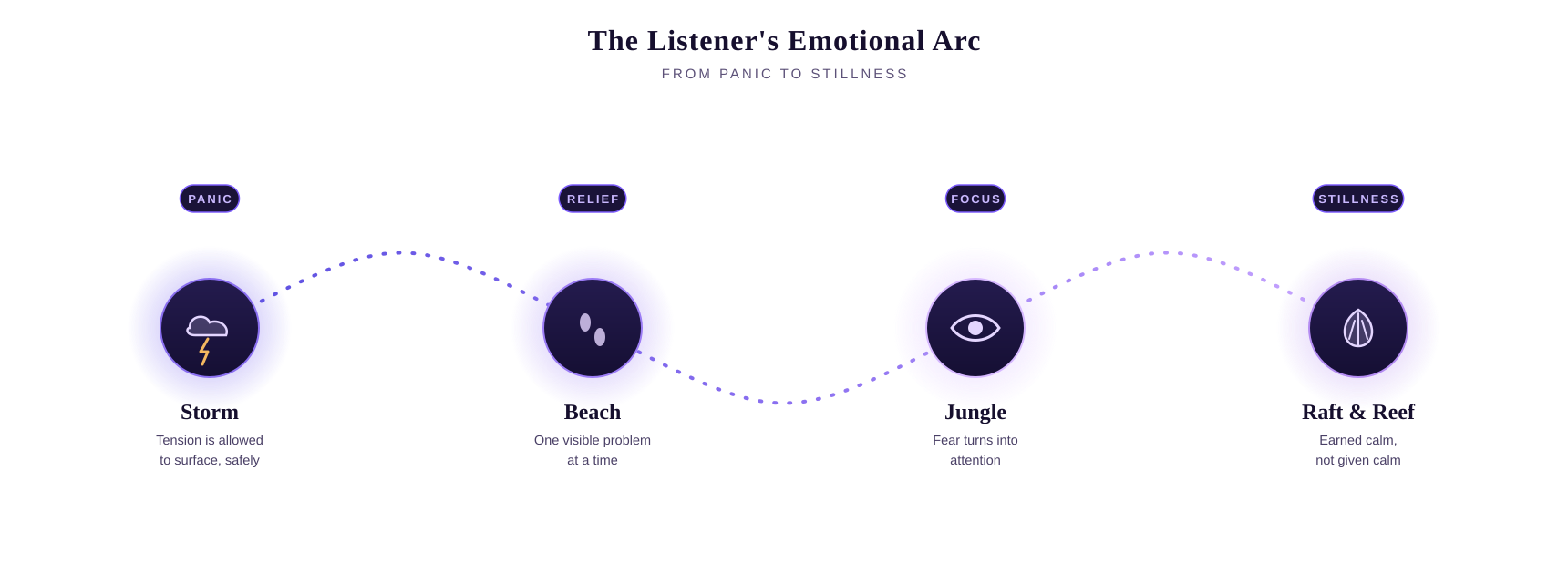
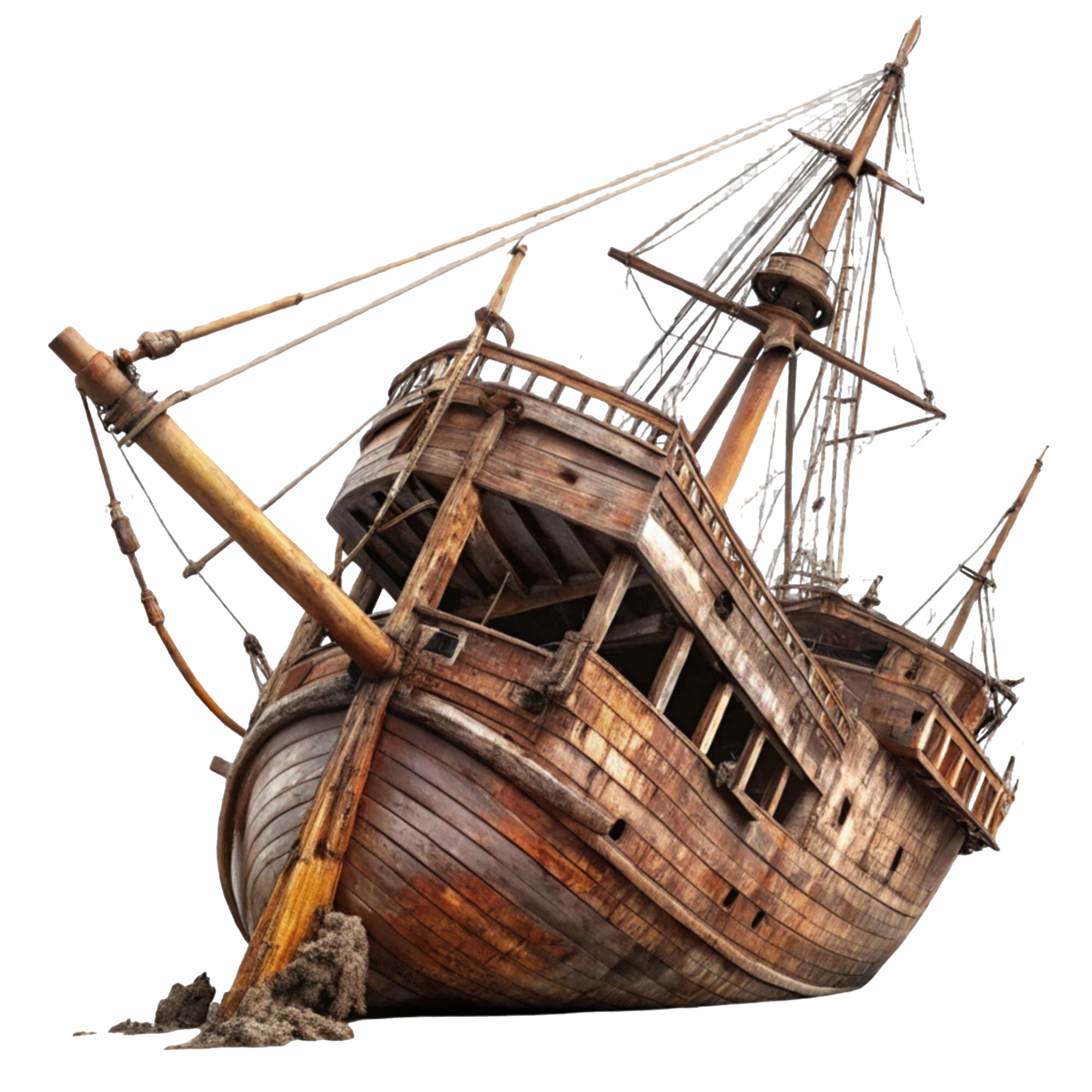
The storm scene isn't gentle, and that's deliberate. Before a mind can rest, it usually has to be given something real to let go of first. The opening minutes – the wheel spinning out of control, the water closing overhead – aren't there to relax you. They're there to give your nervous system a legitimate reason to feel something, instead of asking it to switch off cold from a stressful day that had nothing to do with storms or shipwrecks at all.
This is the part of the experience built on empathy without risk: your body registers a threat that your rational mind knows perfectly well isn't real, and that combination – real physiological response, zero actual danger – is one of the only reliable ways to let genuine tension surface and pass, instead of staying lodged wherever it usually lives during a normal day.
The Beach: The Relief of Having Only One Problem
Waking up on the sand marks the first shift. Suddenly there's shade to find, water to check for, a single visible task in front of you. This is where most listeners feel the first real drop in tension – not because the danger is over, but because it's been reduced to something a person can actually act on. A normal day rarely offers that kind of clarity: too many open loops, too many things that can't be solved by simply standing up and walking toward the nearest tree. The island, for all its danger, offers exactly one problem at a time. That narrowing is where the nervous system starts to exhale.
The Jungle: Where Fear Quietly Turns Into Attention
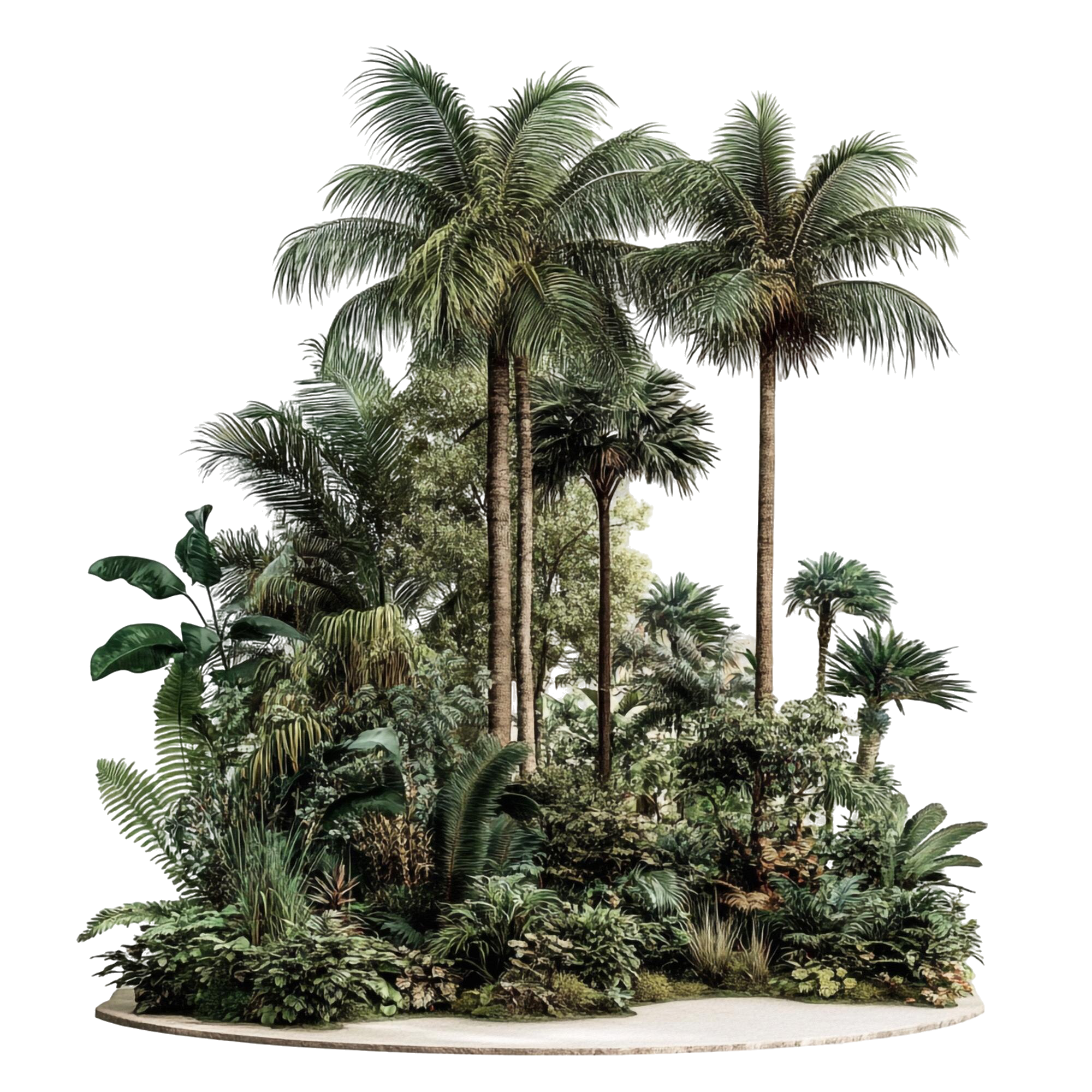
This is usually the part people remember most vividly afterward, and it's rarely the danger itself they mention – it's the moment fear stopped being panic and became focus instead. The tarantula on the hand. The scorpion that doesn't strike. Neither event resolves through fighting or fleeing; both resolve through staying still and paying attention. That's an unusual thing to practice, and it tends to stay with a listener longer than the more obviously dramatic moments, precisely because it mirrors something useful: the difference between reacting and noticing.
There's also a quieter, cumulative effect here that's easy to miss in the moment and easy to name afterward: hypervigilance, slowly, scene by scene, turning into competence. The island doesn't get less unfamiliar. The listener just gets better at being in it. That shift – not the environment changing, but your relationship to it changing – is the actual engine of the whole experience.
The Raft and the Reef: Earned Stillness
By the time the story reaches the raft, something has usually changed in how a listener sits with tension. The shark scene works precisely because it doesn't escalate into a fight – it passes, the way most things a person braces for eventually just pass. And the reef that follows lands differently than it would have in act one: it's not just beautiful, it's beautiful and safe enough to actually notice. Very few immersive experiences let a listener feel both at once. Most spend their entire runtime in one register or the other.
This is usually where people describe something close to the "romance of solitude" the source material keeps circling back to – not loneliness as an absence, but solitude as a kind of room a person didn't know they needed until they were standing in it.
Why This Lands Differently for Different People
Not everyone takes the same thing away from it, and that's by design, not an inconsistency:
- Listeners drawn to adventure and travel tend to fixate on the world itself – the geography, the weather, the sense of a place they'd genuinely like to have been.
- Listeners with a practical, hands-on streak often replay the small competence moments – building the shelter, catching the fire, testing the raft – the same way they'd replay finishing a real project with their hands.
- Listeners looking for something psychologically substantial tend to hold onto the internal monologue longer than the plot – the line about everything now depending on him alone, in particular, seems to be the one that stays.
- Listeners who come in stressed and just need a reset report the simplest response of all: they stopped thinking about their actual day for the length of the story, and that, on its own, is usually the whole point.
What Real Solo Sailors and Wilderness Guides Describe
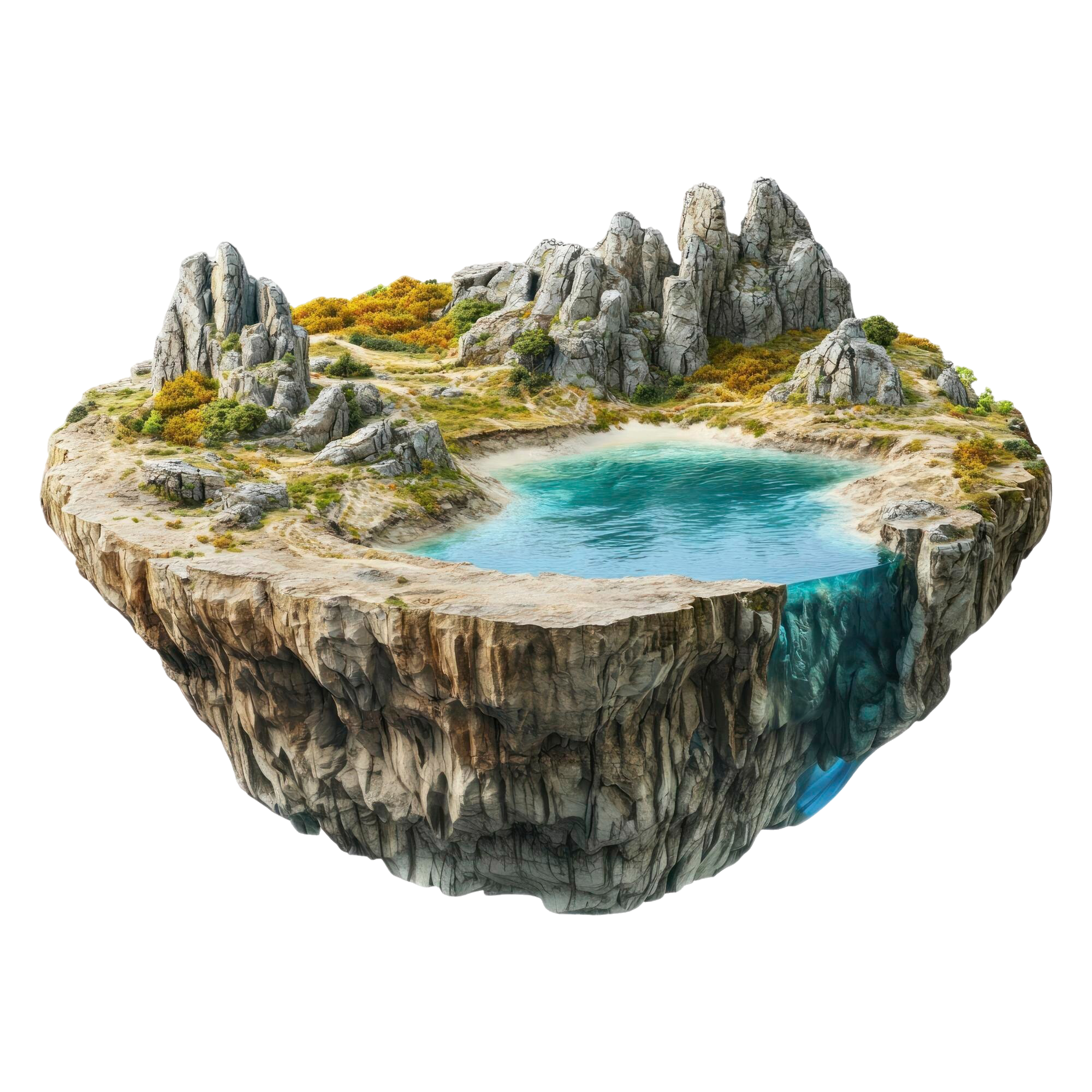
The emotional arc this world is built around isn't invented – it matches, almost point for point, what people who've actually done extended solo wilderness time report afterward. Solo long-distance sailors, thru-hikers on multi-month trails, and wilderness therapy guides consistently describe the same sequence: an initial spike of fear and hyperawareness, a gradual narrowing of attention onto immediate, physical tasks, and – usually somewhere in the second or third week, compressed here into about an hour – a genuine shift where vigilance stops feeling like a burden and starts feeling like competence. Silent World's jungle-to-raft arc is essentially that reported trajectory, scaled down to fit a single sitting.
Modern Equivalents of "One Problem at a Time"
You don't need a literal shipwreck to recognize the specific relief the beach scene produces. It shows up in much smaller, much more common situations:
- The relief of a single deadline replacing a dozen open tasks. Anyone who's ever felt calmer the moment a chaotic week narrowed down to "just get through this one presentation" has felt a small version of what the beach scene is built around.
- Physical tasks as a break from mental ones. Gardening, cooking, manual labor after a day of abstract knowledge work all draw on the same appeal as building a shelter from branches – a problem with a visible, completable shape.
- Cold plunges and endurance sport. The recent surge of interest in deliberately uncomfortable physical challenges – cold exposure, long-distance running, fasting – chases a similar payoff to the island's fear-to-competence arc: proof, gathered firsthand, that discomfort is survivable.
None of this requires anyone listening to actually want to be stranded. It just requires them to recognize, somewhere underneath the fantasy, a feeling they already know from a much smaller, much safer version of the same story.
Strip away the sand and the storm, and what this experience is actually offering is a rehearsal: a low-stakes chance to feel out of control, notice that you can still function, and come out the other side a little less afraid of your own reaction to uncertainty. Nobody needs to name it that directly while they're listening. But it's the reason a story about total isolation keeps bringing people back – not despite the solitude, but because of it. For an hour, being entirely on your own turns out to be the safest place some listeners have felt all week.