
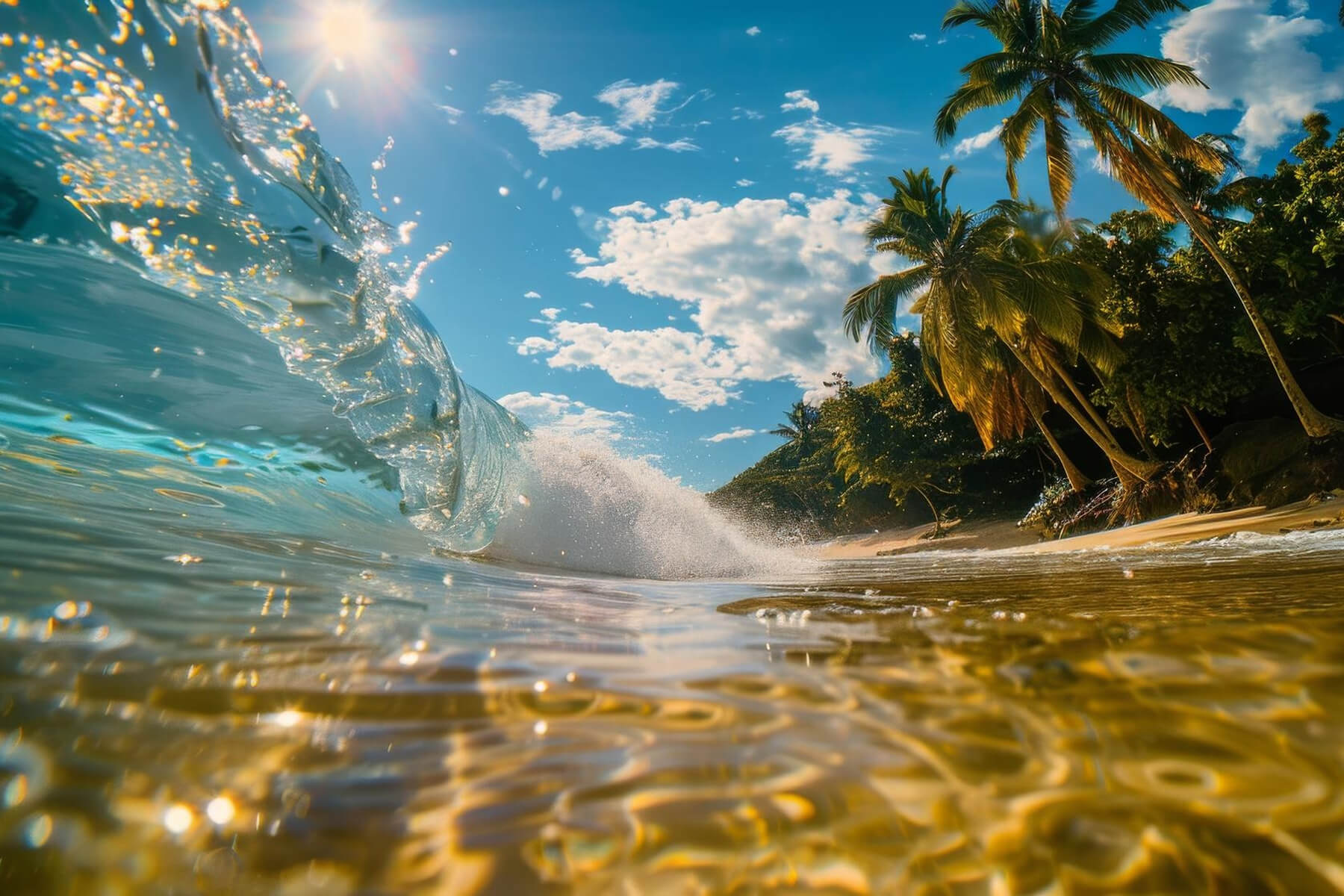
The Uninhabited Island: Why We Built an Anydream Where You're the Only Person Left
There's a story humanity has been retelling itself for three centuries – and every single time, we listen as if we're hearing it for the first time. A sailor, a storm, a shoreline, silence. No rescue team, no phone signal, no one to talk to. Just you, sand under your feet, and an island that owes you nothing.
At Anydream, we chose exactly this story for our newest Anydream experience. Not because it's trending. Over three years of watching how people open the app after a long day, one pattern kept repeating: what most people are actually looking for isn't stimulation – it's a reset. And "stranded on an uninhabited island" is one of the very few stories in our culture that knows how to deliver that reset while still staying alive and tense enough to hold your attention.
Why This Story Refuses to Die
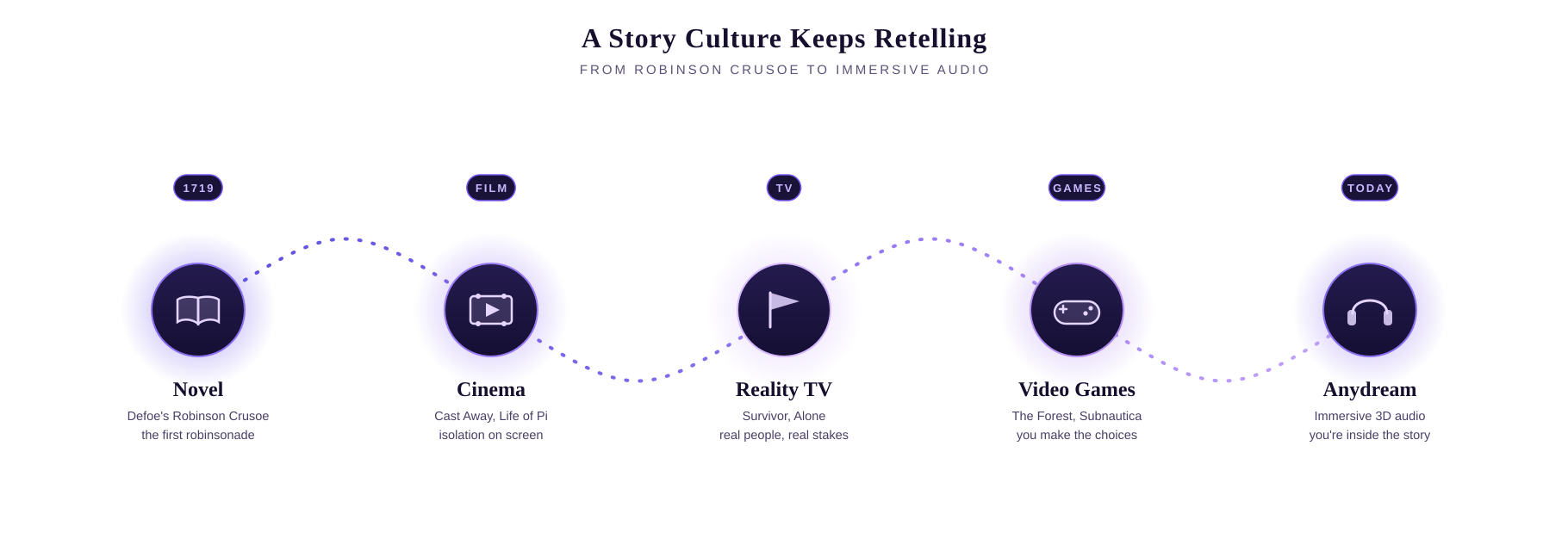
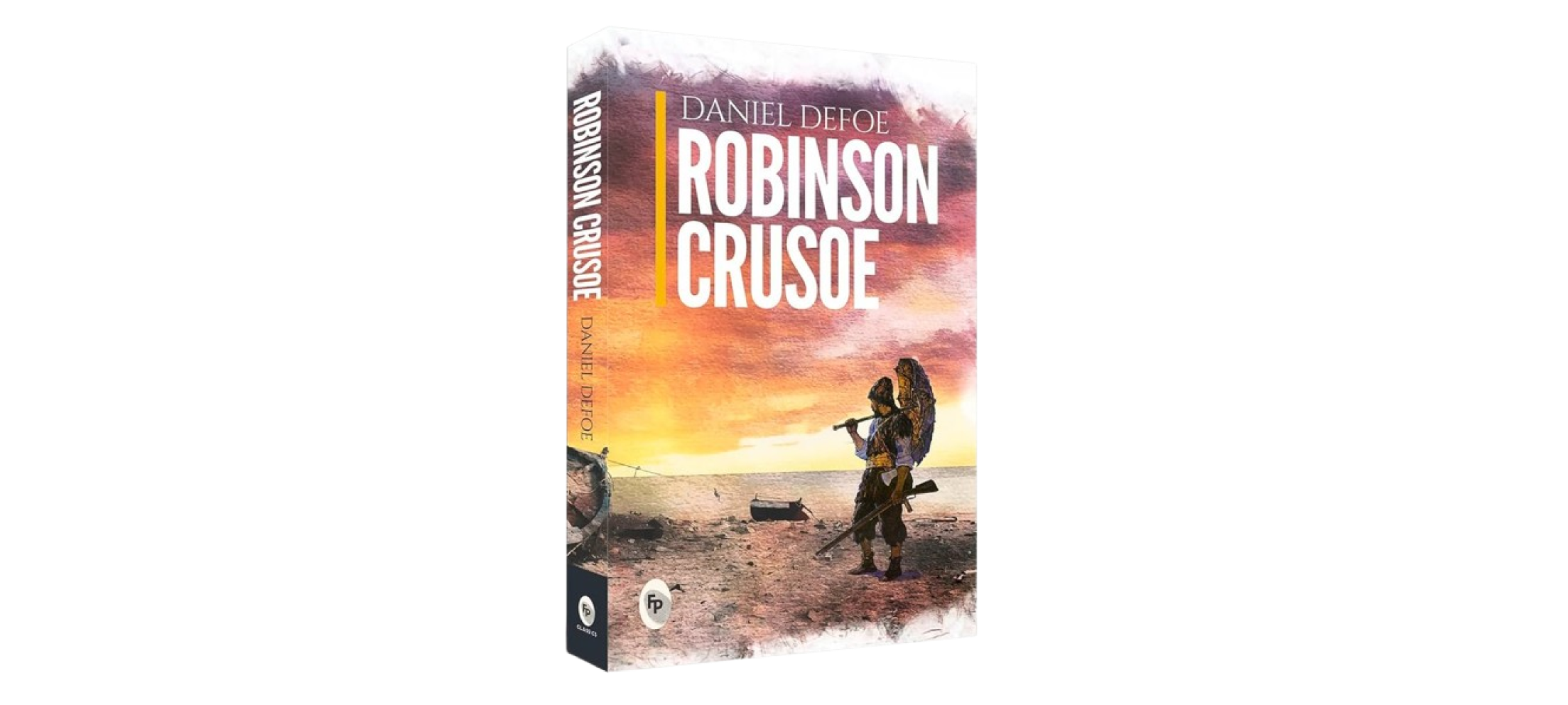
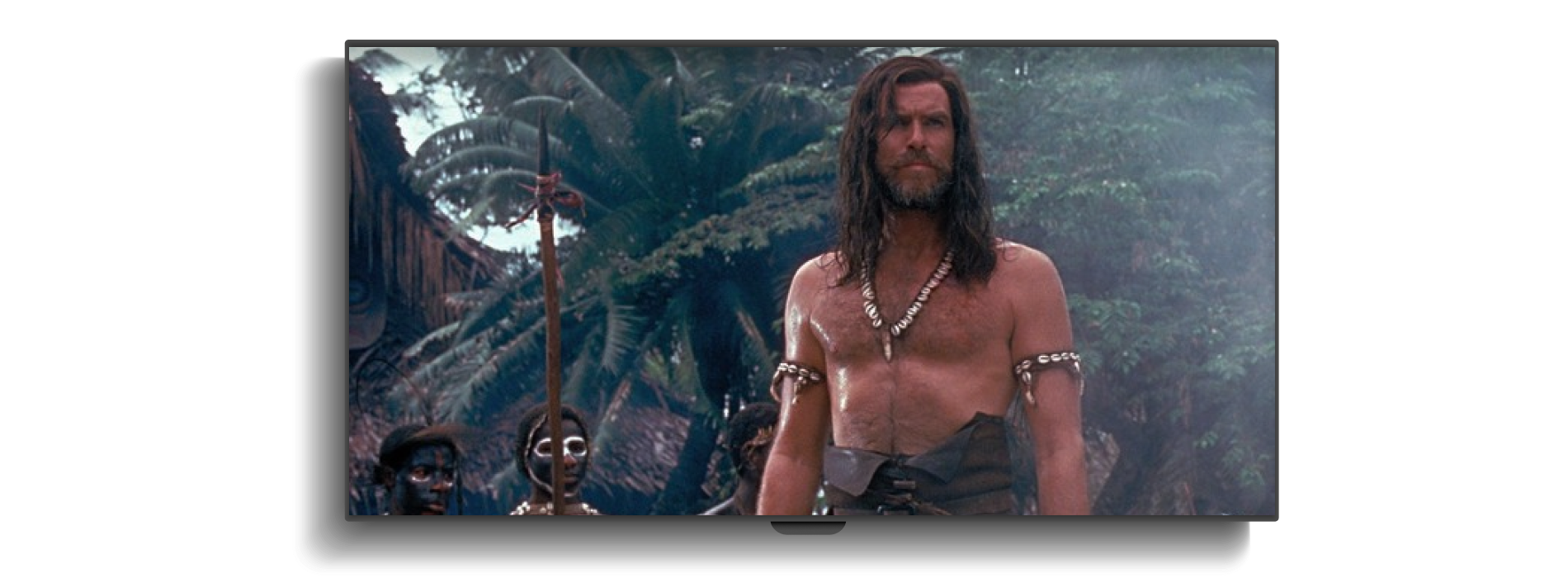
Robinson Crusoe was published in 1719. Since then, the story of a person left alone with nature has never gone out of fashion – it has simply changed shape: novel → film → reality show → video game → and now, an immersive audio experience. Cast Away with Tom Hanks, the series Lost, Life of Pi, games like The Forest, Stranded Deep, Subnautica, and Green Hell, competition formats like Survivor and Alone – all of them are pulling on the same psychological thread, just wrapped in different packaging.
When we broke down why this keeps working, it wasn't one reason – it was a whole cluster of them:
- Empathy without risk. The audience tries the situation on for size – "what would I actually do?" – but does it from the safety of a chair. It's a low-risk way to test yourself.
- Instinct, not a plot twist. Survival stories hit one of the oldest layers of the human psyche: self-preservation. That interest doesn't need to be manufactured – it's already there.
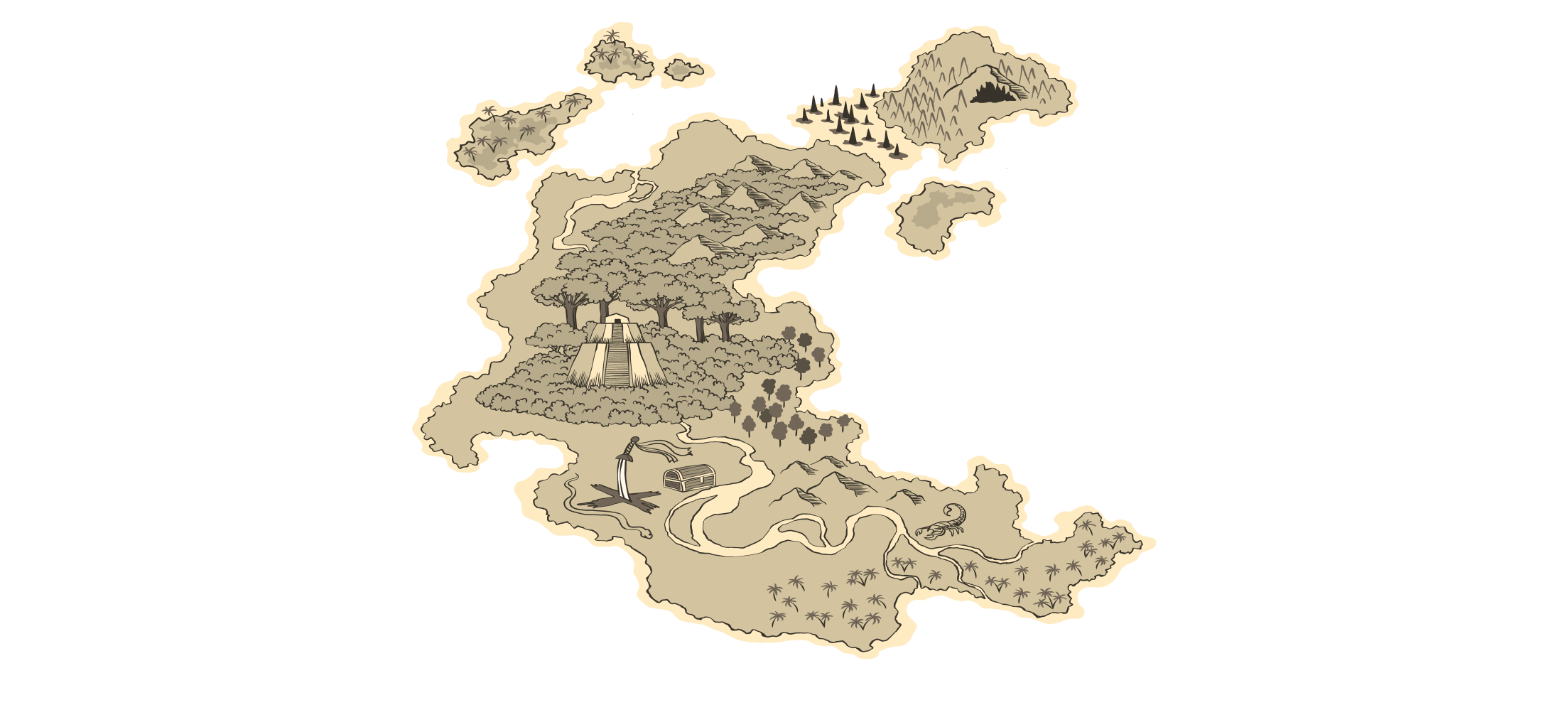
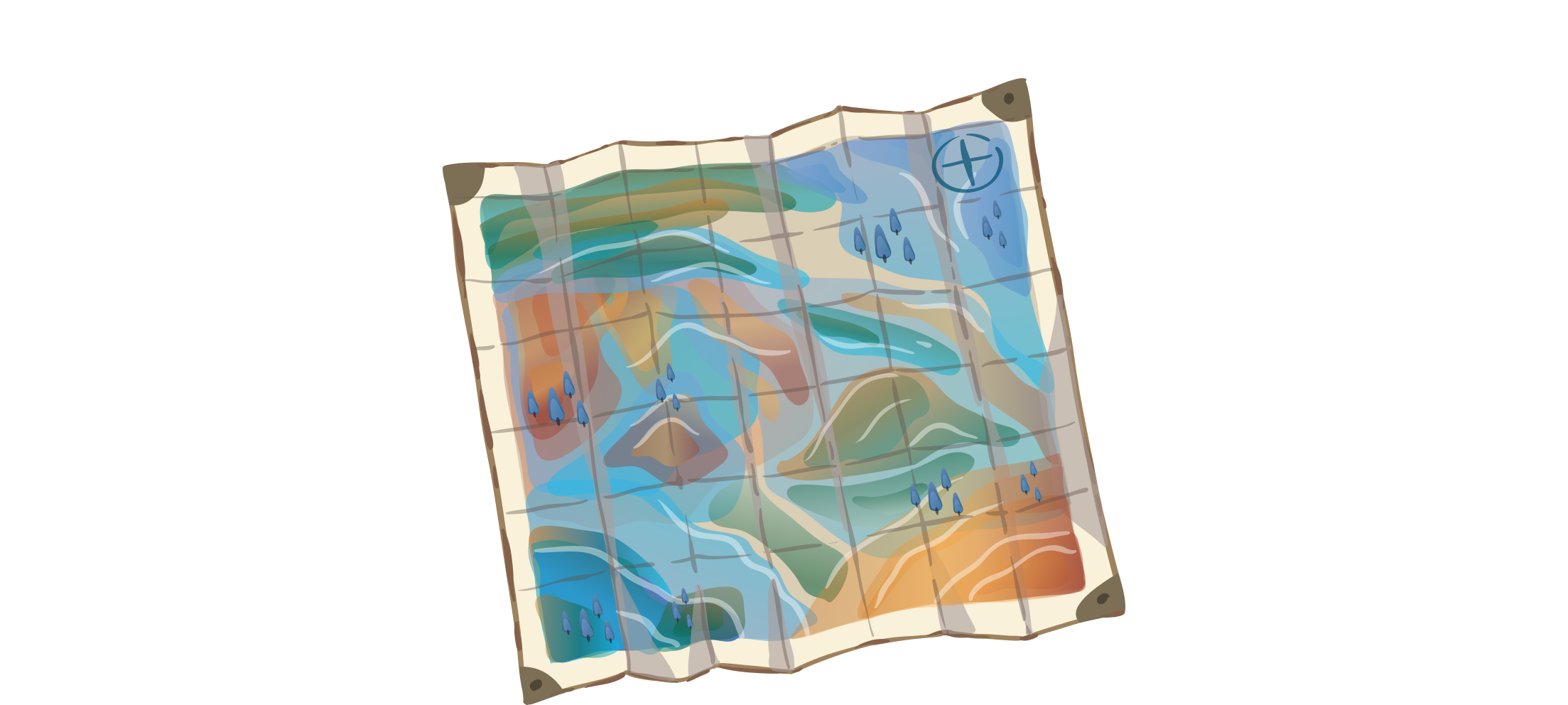
- Escapism with a map. Unlike an abstract "just breathe" meditation, an uninhabited island has geography: a beach, a jungle, cliffs, a waterfall. The mind has somewhere concrete to go.
- Quiet competence. There are no dragons here, no superpowers – just a fire that finally catches, a shelter that survives the storm. Small, honest wins that feel earned rather than handed to you.
This appeal is genuinely universal. Survival-on-an-island stories land just as hard in the US (Cast Away, Survivor) as they do in Europe (Life of Pi, Defoe's original novel), in Japan (where the theme often carries a philosophical undertone of inner resilience and harmony with nature), and in Australia, where untamed wilderness isn't a metaphor – it's part of daily life. The emphasis shifts from region to region. The core doesn't.
What We Actually Heard in the Text – Not Just in the Genre Conventions
While we were writing the literary foundation for this world, one thing became clear: the real nerve of this story isn't the storm, and it isn't the shark circling the raft. It's a single line the protagonist says to himself after his first night on the island: "now everything depends on me." Not on a team, not on a boss, not on someone else's opinion. On him alone. That's precisely the feeling people are chasing when they open Anydream at the end of a day where every decision was made by somebody else.
The second nerve is the island itself, cast as a companion that never speaks. The jungle "breathes with the tides," the sea "doesn't give up its secrets for free" – this isn't the hostile nature of a disaster movie. It's nature that watches and tests you, without wishing you harm. That's a very specific kind of tension: enough to keep your attention locked in, without the exhausting, fight-or-flight edge of a straight horror or action story. It's tension you can rest inside of.
The Three Acts We Built the World Around
The island's internal structure isn't organized around "levels." It's built on three psychological stages that almost anyone actually passes through after losing their usual sense of control:
- Shipwreck. Shock and the first few hours. Waking up on the shore, searching for shade, the first encounter with a world that owes you no explanation.
- Survival. The jungle, the search for water, a tarantula close enough to touch, a scorpion that doesn't strike. The moment fear starts turning into caution, and caution starts turning into competence.
- Adaptation. The hut, the raft, fishing, the coral reef. The island stops being an enemy and becomes something closer to home – temporary, but genuinely yours.
This isn't an arbitrary sequence of locations. It's the recognizable arc of any real recovery from stress: first, accepting that control is gone; then, learning to respond without panicking; and only after that, settling into what you actually have, instead of fighting the situation you're in. We designed the pacing of the island around this arc on purpose – not just around scenery.
Who This World Was Built For
We built this world with several kinds of listeners in mind at once: people who love adventure fiction and travel writing; people drawn to hands-on, practical survival skills and bushcraft; people looking for real psychological depth rather than just background noise to fall asleep to; and people who simply want to feel, for an hour, what it's like to depend entirely on themselves. The island works as a ten-minute pause in the middle of a chaotic day, and it works just as well as a full hour-long journey – with a clear emotional arc from panic to calm that the listener lives through alongside the protagonist, rather than just observing from the outside.
Why Survival Content Is Having a Moment Right Now
Long before Anydream, the appetite for this exact fantasy was already visible everywhere you looked, just in different formats:
- Solo survival YouTube is enormous. Channels built entirely around one person building a shelter, starting a fire, and catching dinner with no dialogue and no crew regularly outperform much more expensively produced content – proof that the appeal isn't spectacle, it's competence, watched quietly.
- Reality competition never really left. Survivor is still airing new seasons more than two decades after its premiere, and its central promise hasn't changed once: strip away comfort and see what's actually left of a person.
- Digital-detox travel is now a real industry. Retreats that confiscate phones, remote cabins with no signal, "off-grid" as a marketed vacation feature – people are increasingly willing to pay specifically for enforced disconnection, which is functionally a softened, consensual version of being stranded.
- "Quiet quitting" and burnout culture created new appetite for radical simplicity. A life narrowed down to food, water, shelter, and one clear task at a time reads as relief rather than deprivation to an audience whose actual daily life is defined by the opposite – too many open tabs, too many competing priorities.
None of these trends are about literal desert islands. All of them are chasing the same underlying fantasy the genre has offered since 1719: a version of life with the noise removed, where what's left is unmistakably real.
What's Next
In the next article, we'll break down how this idea turned into an actual, walkable world: the island's map, the sound design behind the storm and the waterfall, the hut and the reef as locations – and why, in immersive audio, it isn't the picture that has to be believable. It's the sound you never see, but somehow still trust.