
Silent World: Why We Built a Post-Apocalypse With No Zombies On Screen
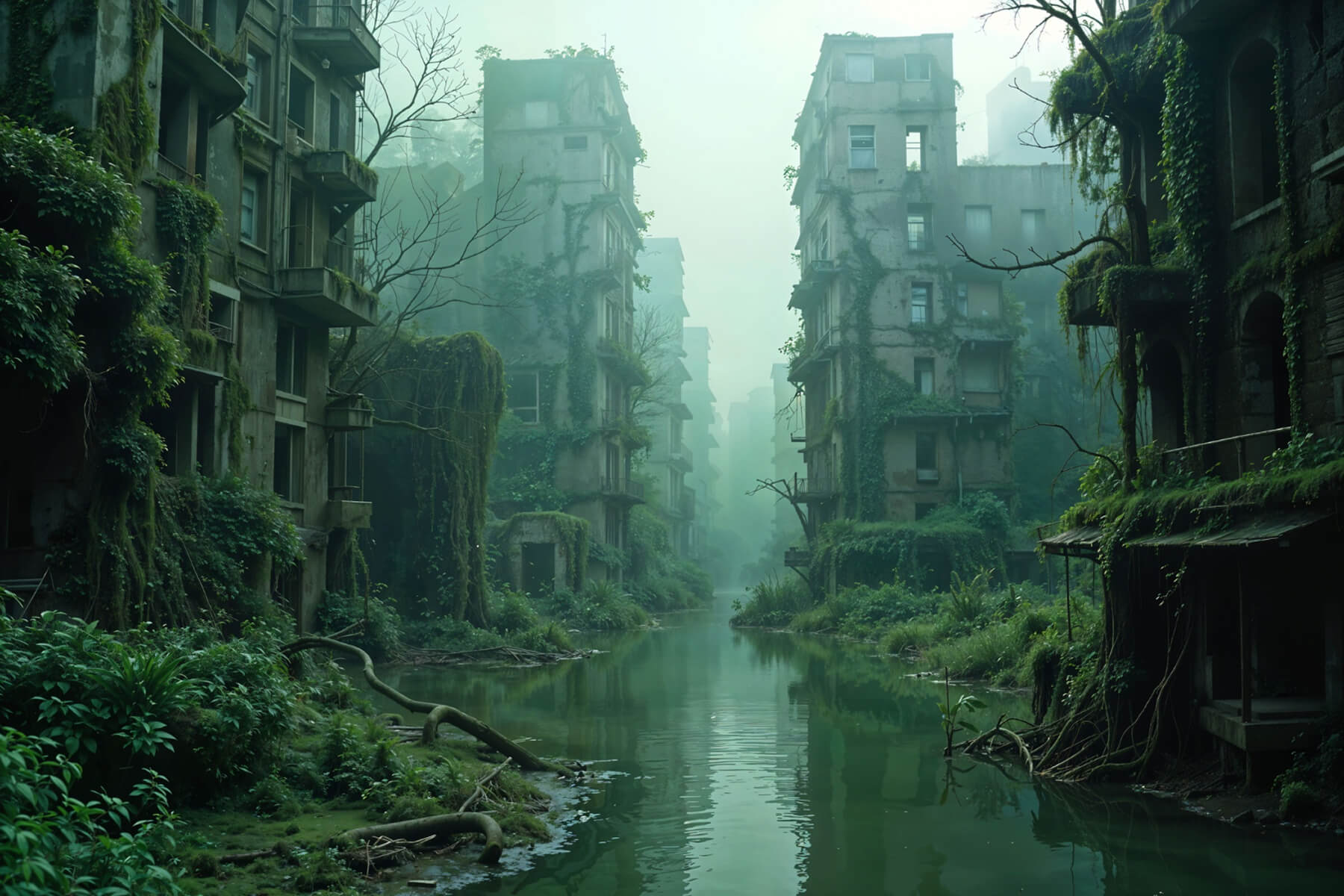
Most stories about the end of the world are loud. Sirens, gunfire, hordes pressing against a barricade, someone screaming a name into the dark. We built something quieter on purpose. In Silent World, the apocalypse already happened – years ago, off-page, before the story even starts. What's left isn't the fight. It's the routine that comes after: checking a fence line, brewing coffee in an empty kitchen, sending a radio signal that nobody answers. That silence turned out to be more unsettling, and more honest, than any horde ever could be.
Why the End of the World Never Stops Selling
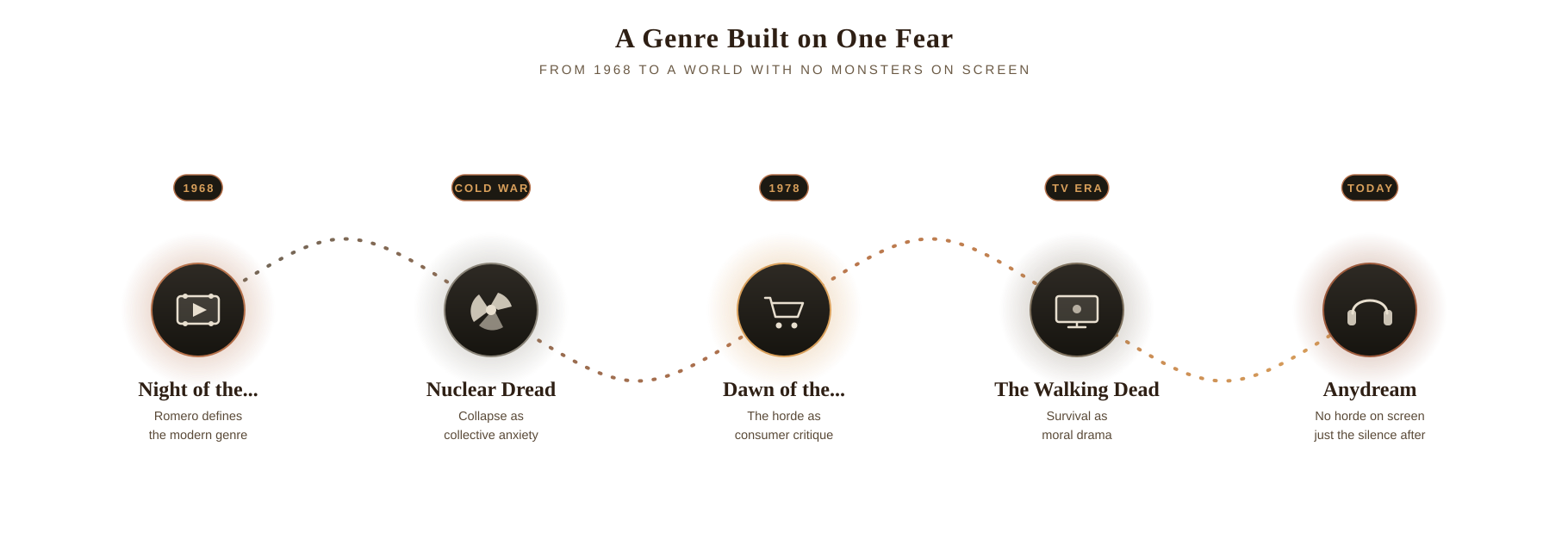
The zombie apocalypse as a genre has a clear birthday: 1968, George Romero's Night of the Living Dead. Since then it has never really left culture – it just kept finding new anxieties to attach itself to. Cold War audiences saw nuclear dread in shuffling crowds of the infected. Later decades read consumer culture into the same imagery – Romero's own Dawn of the Dead staged its horde inside a shopping mall on purpose. More recently, the genre has absorbed fears about pandemics, biotechnology, and the fragility of infrastructure we don't think about until it's gone.
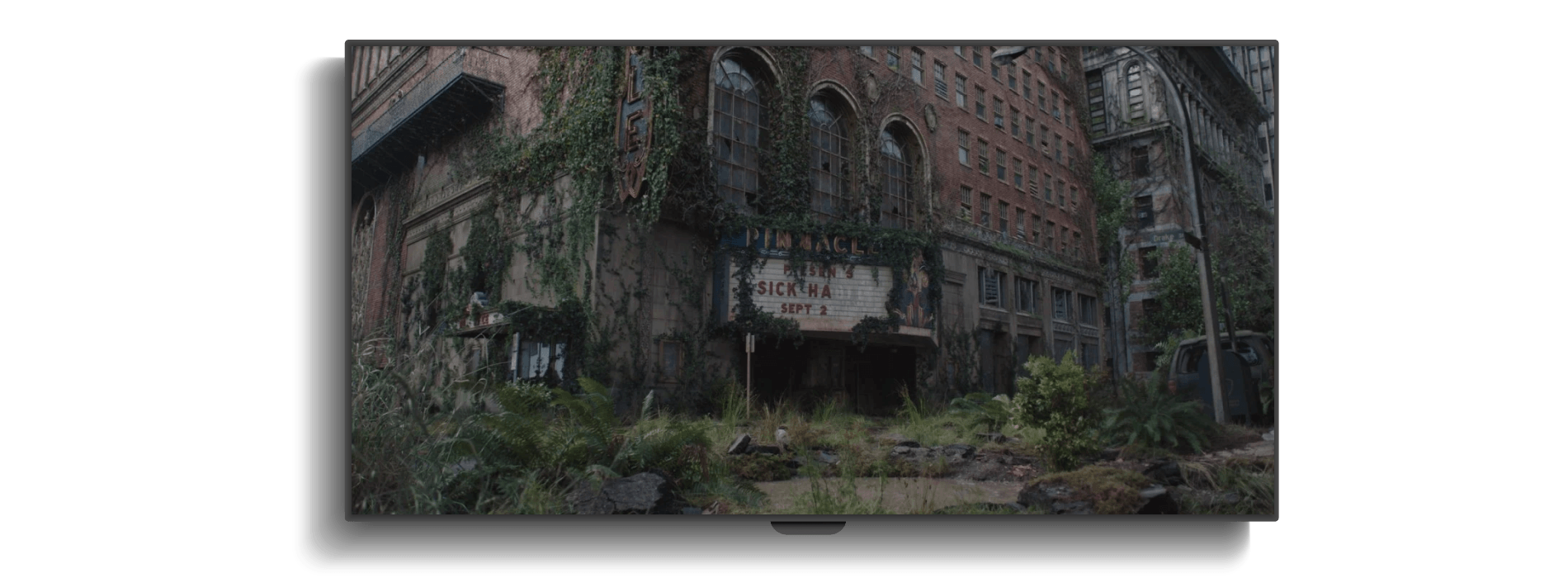
The catalogue is enormous, and each entry pulls on a slightly different thread: The Walking Dead turned survival into an ongoing study of what people become under sustained pressure. World War Z, both the novel and the film, treated the outbreak as a global systems failure. The Last of Us proved that the genre could carry genuine emotional weight, not just tension. Train to Busan compressed the whole arc into a single train car and made it devastating. Games like Left 4 Dead, Dying Light, and State of Decay turned survival into a resource-management puzzle as much as a horror premise.
What ties all of it together isn't really the monster. It's the scenario underneath: a world that still looks like ours, stripped of the one thing that made it functional – other people, and the systems they ran together.
The Part of the Genre Everyone Skips Past
Almost every zombie story spends its runtime on the horde – the chase, the siege, the group dynamics under threat. We went looking for the part that usually gets a single quiet scene before the next attack, and built an entire world around it instead: the after. Not the outbreak. Not the fighting. The years that follow, once a person has figured out how to survive physically and has to figure out something harder – how to stay a person when there's no one left to be a person for.
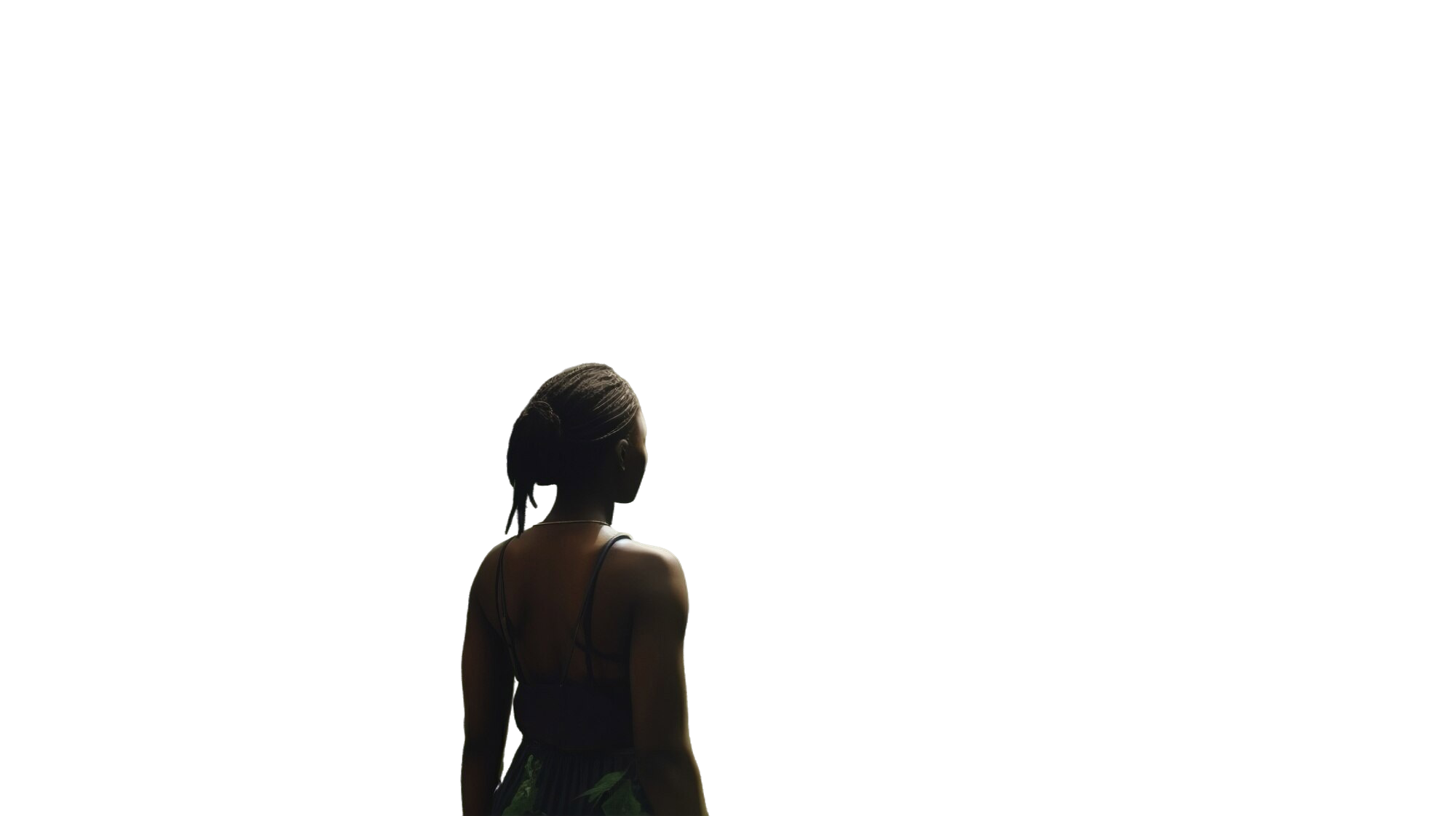
The source material for Silent World barely mentions the infected directly. Its narrator is an engineer who spent his career designing emergency evacuation systems – and now lives alone in a fortified library, maintaining a strict daily routine, sending "mayday" calls into radio static that never answers. The tension isn't "will something eat me." It's quieter and, we'd argue, scarier: what happens to a mind with no one left to witness it?
One line from the text stuck with us during development: he wonders whether disappearance wasn't a catastrophe at all, but something closer to someone pressing delete – and leaving him behind by mistake. That's not an action-movie thought. It's a 3 a.m. thought. And it's the actual emotional center of this world.
Why This Register Hits Differently by Region
The genre's popularity isn't uniform, and that variation shaped how we built this world. American zombie fiction tends to foreground the horde and the moral compromises of group survival – The Walking Dead is as much about what the living do to each other as what the dead do to them. European treatments lean more philosophical, using the collapse as a lens for questions about modern isolation and the fragility of civilization itself. Japanese and Korean entries in the genre – Tokyo Ghoul, Kingdom, Train to Busan – often braid in themes of honor, duty, and internal struggle alongside the external threat. Silent World sits closest to that second register: fewer monsters on screen, more time spent inside one person's discipline, memory, and doubt.
What We Actually Built the World Around
Three structural ideas from the source material became the backbone of the whole experience:
- Routine as survival. Not swinging a weapon – checking a fence, brewing coffee, logging fuel levels. The discipline itself is what keeps a mind from unraveling in the absence of any external structure.
- Hope without evidence. The protagonist keeps transmitting on a radio that has never once answered, because stopping would mean accepting total isolation as final. That's not naive optimism – it's a deliberate, almost stubborn refusal to let the silence win by default.
- Memory as both comfort and danger. The world spends real time on the ordinary sounds the character misses – a coffee shop, a tram, someone laughing nearby – precisely because those small, unremarkable sounds turn out to be what a person actually grieves, more than any single traumatic event.
Who This World Was Built For
Not everyone who loves zombie fiction wants the same thing from it, and we designed with several distinct audiences in mind: people drawn to the atmosphere and dread of post-apocalyptic fiction more than its action beats; listeners who enjoy the practical, procedural side of survival – fuel logs, fence checks, ration math; people who read these stories as social or philosophical commentary rather than horror; and – maybe the largest group – people who simply want an hour of being somewhere completely still, where nothing is required of them except to listen.
Why Post-Apocalyptic Fiction Still Feels Current, Not Just Escapist
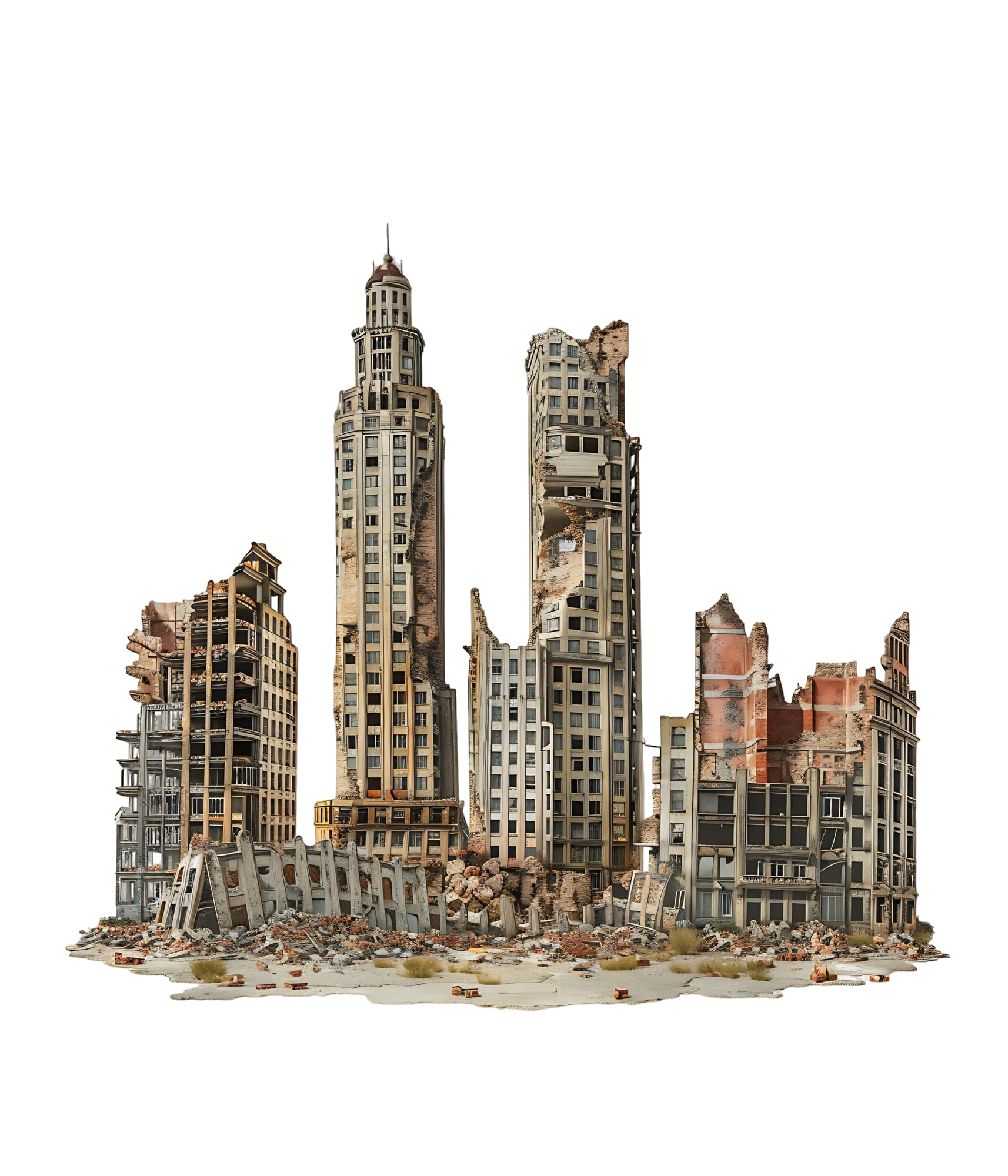
A genre built on collapse shouldn't feel comforting. And yet it keeps finding new reasons to resonate, often for reasons that have nothing to do with zombies at all:
- Pandemic-era memory is still fresh. Millions of people spent real weeks and months behind closed doors, rationing supplies, tracking case counts the way Silent World's narrator tracks fuel levels. The genre stopped being pure fantasy for a lot of people somewhere around 2020, and it hasn't fully gone back to being one since.
- Preparedness culture has gone mainstream. "Prepper" content, bug-out bags, off-grid self-sufficiency channels – what used to be a fringe hobby is now a large, normalized corner of the internet, and it draws directly on the same skills this genre romanticizes: water purification, food storage, generator maintenance, situational awareness.
- Climate anxiety gives the setting new teeth. A quietly ruined world doesn't need an explained cause to feel plausible anymore. Audiences increasingly bring their own real-world unease about the future into a genre that was originally about nuclear dread or contagion.
- The genre has quietly gone "slow." Alongside the loud, horde-driven end of the spectrum, there's a growing appetite for its opposite – cozy apocalypse fiction, solitary-survivor narratives, stories about maintaining a garden or a routine after everyone else is gone. Silent World sits firmly in this second, quieter lineage.
A Genre With Two Very Different Emotional Exports
It's worth being precise about which half of the genre we're drawing from, because "post-apocalyptic" covers two genuinely different emotional experiences:
- The horde register – The Walking Dead, World War Z, Dying Light – exports adrenaline, group dynamics under pressure, and moral compromise between survivors. Its core question is usually: what will people do to each other when the rules disappear?
- The solitary register – closer to I Am Legend's quieter stretches, or the more introspective passages of The Last of Us – exports something closer to grief and discipline. Its core question is different: what does a person do with themselves when there's no one left to perform normal life for?
Silent World is built almost entirely out of the second register. There's no group to manage, no morality to negotiate with other survivors, because – as far as the story is willing to confirm – there aren't any. That constraint turned out to be the whole point.
What's Next
In the next article, we'll walk through how this idea became an actual place: the shelter's basement command post, the fence line, the radio frequencies that never answer, and why we built an entire soundscape around near-total silence instead of constant threat.