
The Sleep Crisis: Why Millions of People Can't Fall Asleep Anymore
For most of human history, sleep was one of the most natural things humans did. As daylight faded, our bodies gradually prepared for rest. There were no notifications, no endless streams of information, and no glowing screens competing for our attention long after sunset. Sleep wasn't something people had to learn or optimize – it was simply part of life.
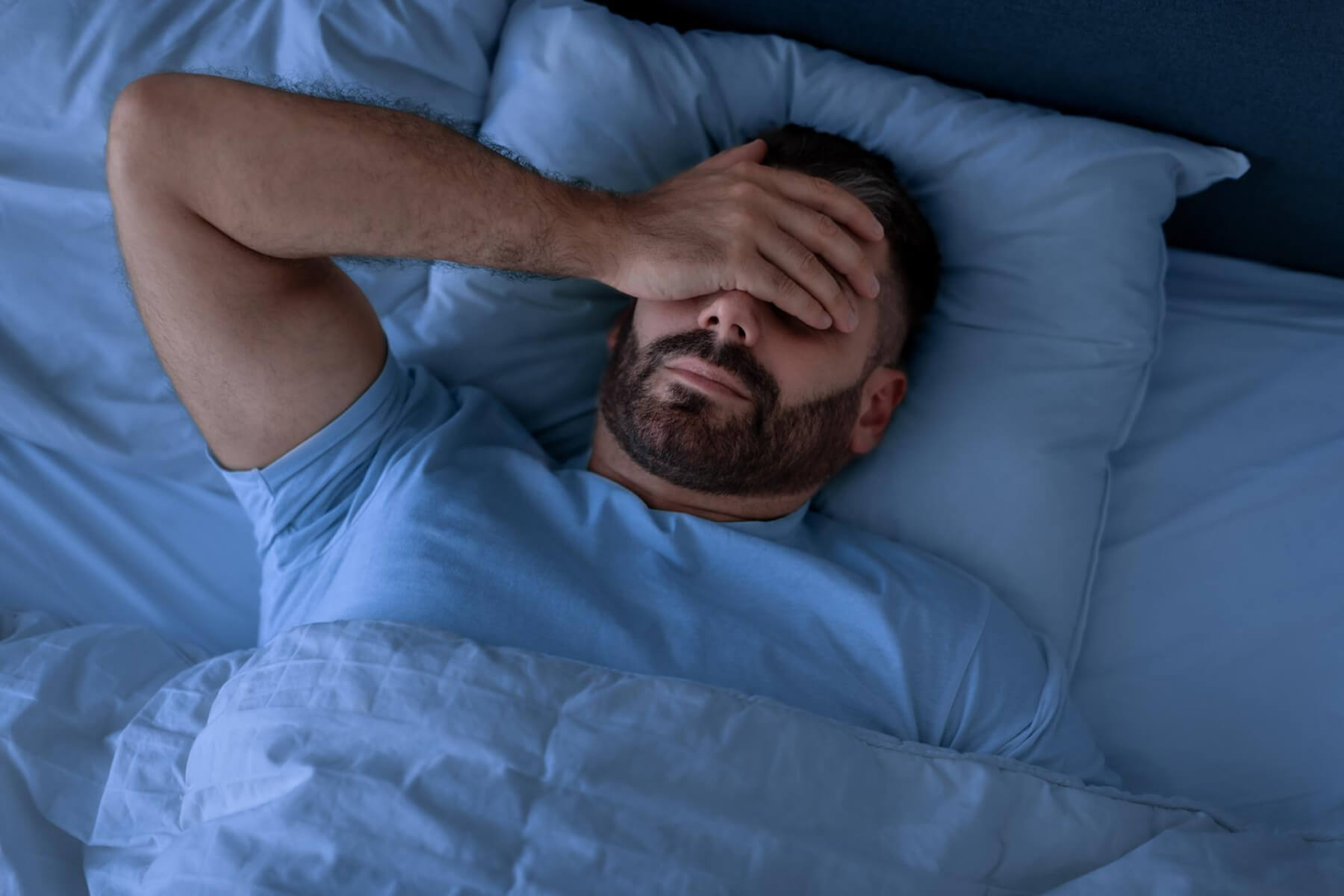
Today, however, falling asleep has become surprisingly difficult for millions of people around the world. Despite having comfortable beds, climate-controlled homes, and access to more information about health than any generation before us, many people still find themselves lying awake at night, unable to quiet their minds. The irony is hard to ignore: we have never known more about sleep, yet sleep problems have become increasingly common.
Modern neuroscience suggests that this isn't simply a matter of bad habits or lack of discipline. The world we live in today is fundamentally different from the environment in which the human brain evolved. While technology has transformed nearly every aspect of our lives, our nervous systems still operate according to biological principles that developed thousands of years ago.
Why Sleep Matters More Than We Think
Many people still view sleep as passive downtime – a period during which the brain essentially switches off until morning. Over the last few decades, neuroscientists have discovered that the opposite is true.
While we sleep, the brain performs some of its most important maintenance processes. Memories are organized and consolidated, emotional experiences are processed, and neural connections that support learning are strengthened. Researchers have also discovered that the brain activates a specialized cleaning system during sleep, helping remove metabolic waste products that accumulate throughout the day.
This means that sleep is not simply a reward after a productive day. It is one of the biological foundations that make productivity, emotional stability, creativity, and learning possible in the first place.
When sleep is disrupted, the effects extend far beyond feeling tired the next morning. Chronic sleep deprivation has been linked to reduced concentration, impaired decision-making, increased anxiety, lower emotional resilience, and a higher risk of numerous physical health conditions. In many ways, sleep influences nearly every aspect of human functioning.
The Growing Problem of Sleeplessness
Despite its importance, sleep has become increasingly difficult for a significant portion of the population. Surveys conducted across multiple countries consistently show that a large percentage of adults struggle with falling asleep, staying asleep, or achieving sufficient sleep on a regular basis.
What makes this trend particularly interesting is that many people report feeling physically exhausted while remaining mentally alert. Their bodies are ready for rest, but their minds continue to race long after they have gone to bed.
Neuroscientists refer to this phenomenon as cognitive arousal. Rather than entering a state of calm, the brain remains engaged in planning, analyzing, replaying conversations, worrying about future events, or processing unfinished tasks. In a world where people are constantly connected to information, the mind often struggles to recognize that the day is actually over.
As a result, bedtime becomes one of the few moments when external distractions disappear and internal thoughts become impossible to ignore.
The Brain Wasn't Designed for Infinite Stimulation
One of the defining features of modern life is that stimulation never truly ends. A person can work, consume news, answer messages, watch videos, browse social media, and switch between dozens of digital experiences without ever encountering a natural stopping point.
From a neurological perspective, this creates a challenge. Human attention evolved in environments where periods of activity were naturally followed by periods of recovery. Today, however, many people remain cognitively engaged until the very moment they attempt to sleep.
The brain does not instantly transition from high alertness to deep rest. Just as the body needs time to recover after physical exercise, the mind requires time to disengage from constant information processing.
Unfortunately, modern lifestyles often leave little room for that transition.
Why Some People Naturally Stay Up Later
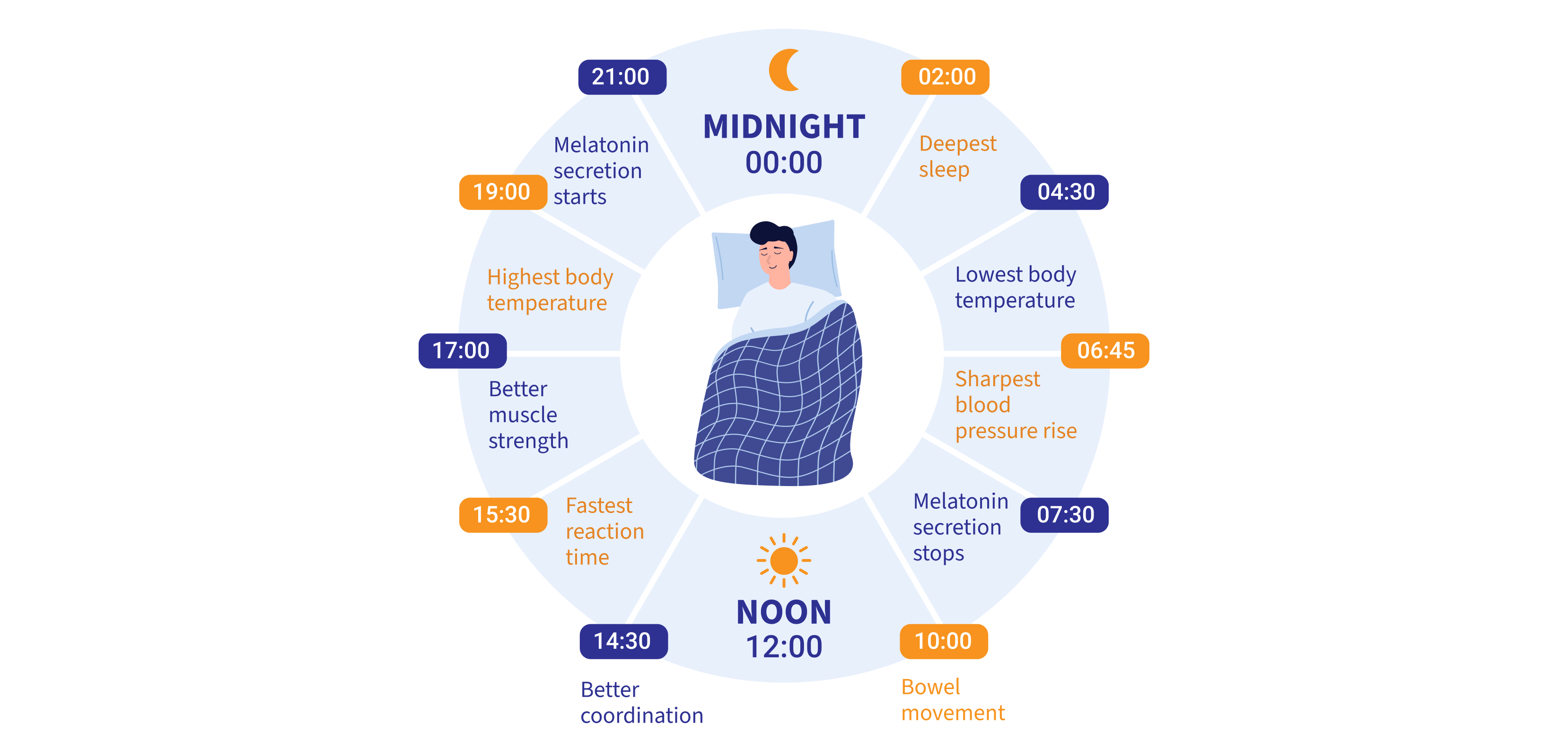
Sleep research has also revealed that not everyone is biologically programmed to follow the same schedule. Scientists studying chronotypes have found substantial differences in people's internal clocks.
Some individuals naturally feel most alert during the early hours of the day, while others experience peak energy later in the evening. These differences are influenced by genetics and are not simply matters of preference.
The problem arises because society tends to reward one schedule. Schools, offices, and many social structures are built around early morning activity, even though a significant percentage of people naturally function better on a later rhythm.
As a result, many individuals spend years believing they have poor discipline when, in reality, they are constantly working against their biological predispositions.
What Neuroscience Is Teaching Us About Falling Asleep
One of the most important insights emerging from modern sleep research is that sleep cannot be forced. The harder people try to make themselves fall asleep, the more alert they often become.
Instead, successful sleep tends to occur when the brain gradually shifts away from active problem-solving and enters a state of reduced cognitive engagement. This is why activities such as meditation, guided relaxation, calming audio experiences, and storytelling have attracted increasing interest from both researchers and sleep specialists.
These approaches do not force the brain into sleep. Rather, they help redirect attention away from the endless loops of thinking that often keep people awake.
In many cases, the challenge is not that the mind is too active. The challenge is that it has nowhere else to go.
The Future of Better Sleep
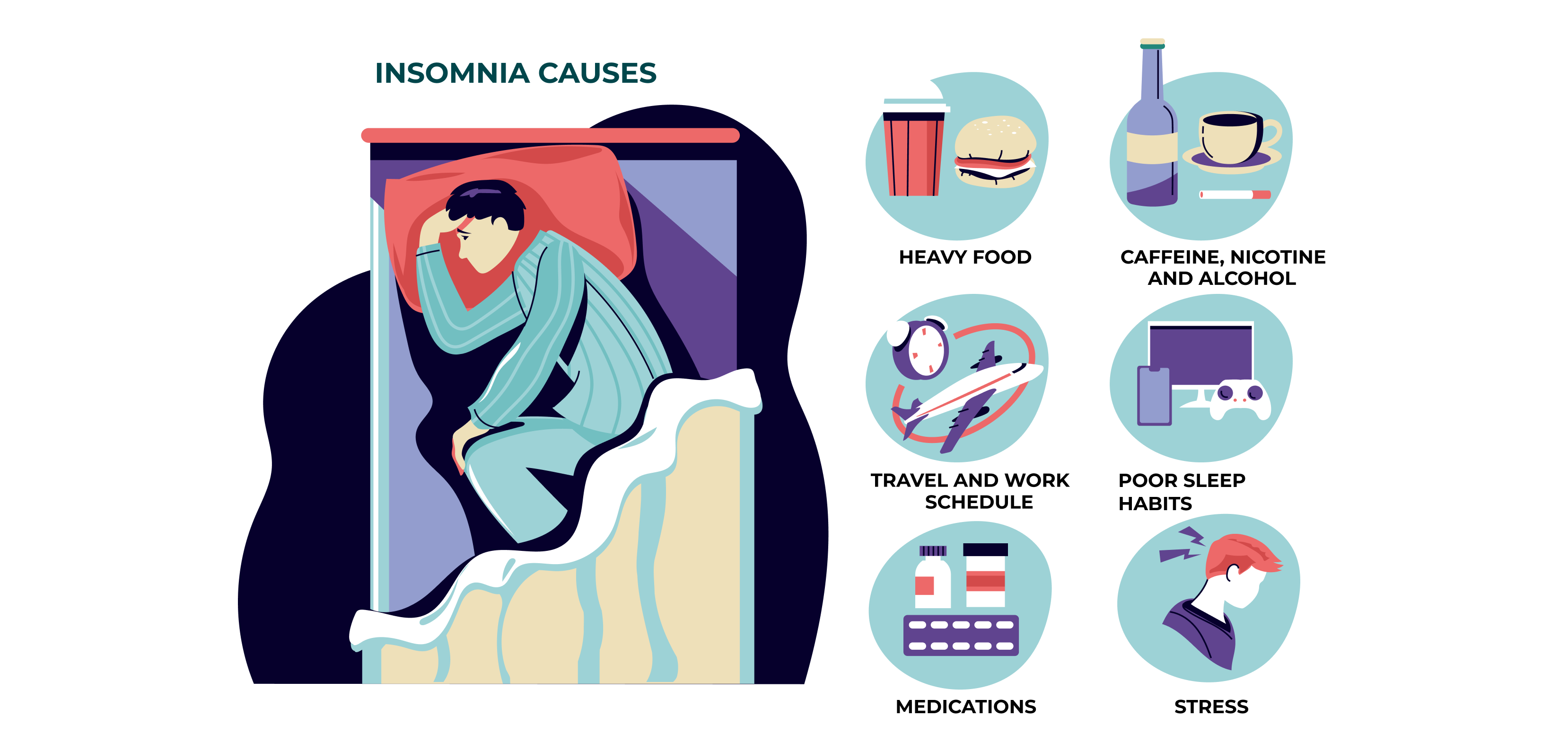
For decades, conversations about sleep focused primarily on what people should avoid: less caffeine, less screen time, less stress, fewer distractions. While those recommendations remain valuable, researchers are increasingly exploring another question: what experiences actively help the brain transition into rest?
This shift in perspective has inspired a new generation of sleep-focused technologies designed to work with the brain rather than against it. Immersive audio journeys, carefully designed soundscapes, guided narratives, and personalized relaxation experiences are all built around a simple idea: helping attention move away from daily pressures and toward a calmer mental state.
At AnyDream, we believe that better sleep begins long before a person closes their eyes. It begins with creating the conditions that allow the mind to let go of the day. By combining storytelling, immersive audio, and relaxation techniques, we are exploring new ways to help people reconnect with something that should never have become difficult in the first place – the ability to rest.
Because sleep is not a luxury, a reward, or an optional upgrade to a busy life. It is one of the most fundamental human needs, and in a world that never seems to slow down, learning how to sleep well may be one of the most important skills of all.