
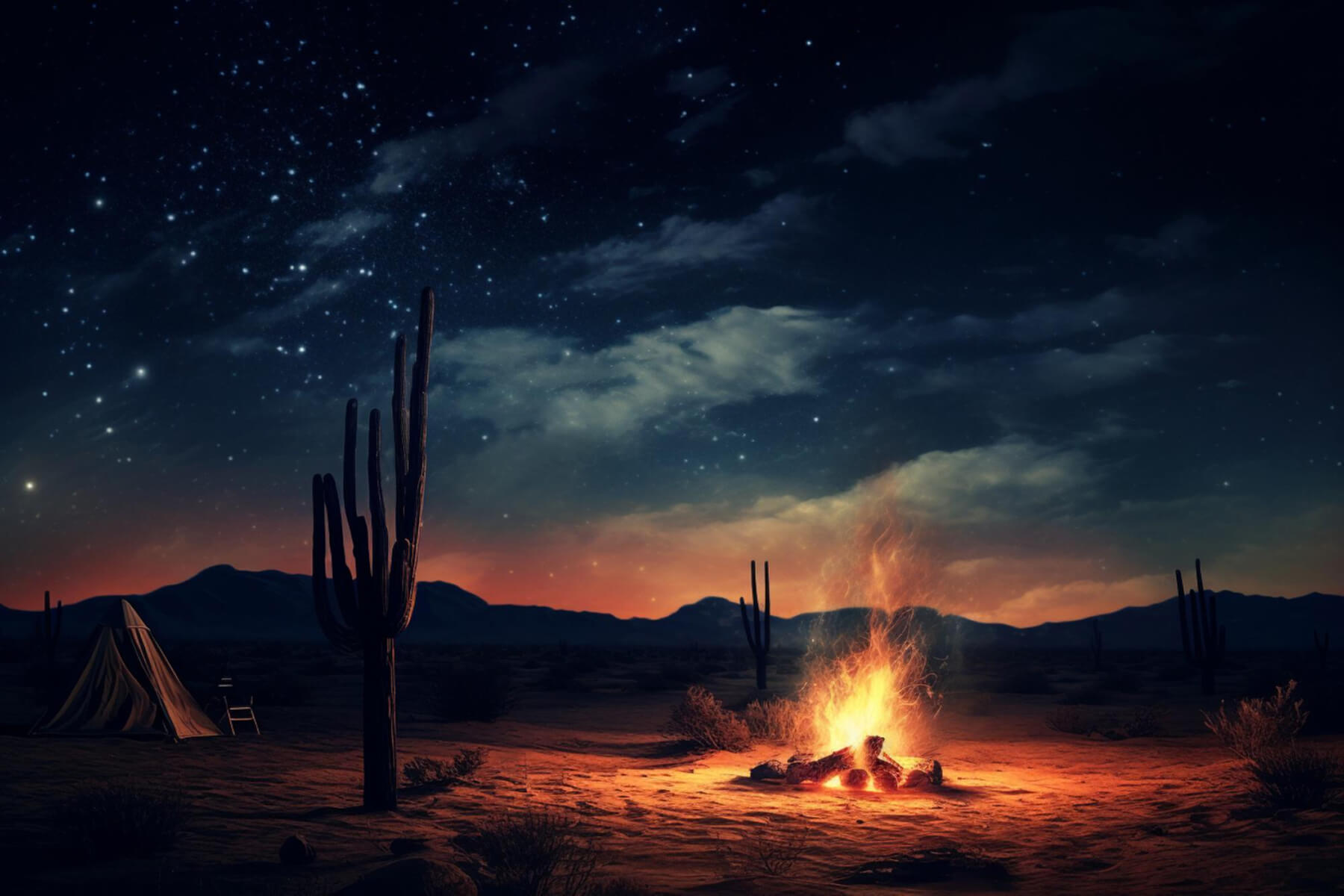
Wild West: Why We Built a Western World
Most people picture the same thing when they hear the word "Western": two men in an empty street at noon, hands hovering over holsters, a whole town holding its breath. That image is iconic for a reason – it's the genre's most concentrated symbol of consequence. But it's also just the last ten seconds of a much longer story, one that's actually about something slower and more interesting: a stranger riding into a town that's lying to him, and figuring out, piece by piece, who's lying and why. That's the Western we built. The gunfight still happens. It's just not the point.
A Frontier That Never Actually Closed
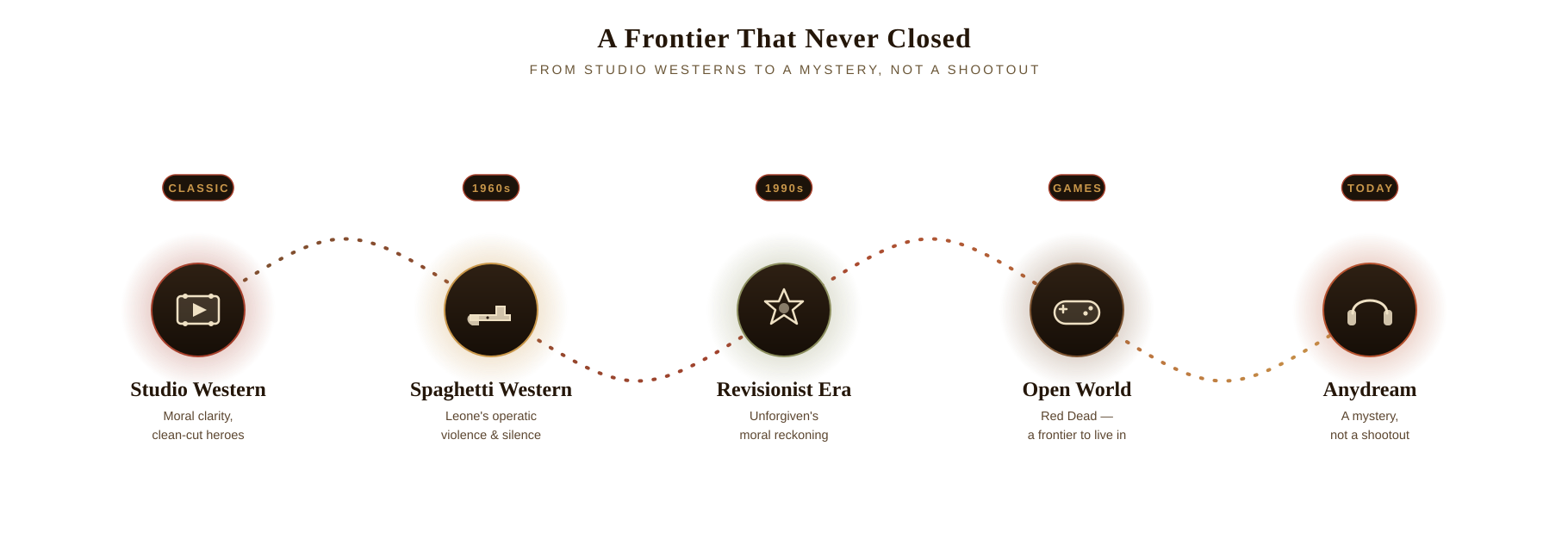
The American frontier stopped being a literal, physical thing well over a century ago, and the genre it produced has never once gone quiet. It just keeps changing costumes. The golden age of the 1940s and '50s gave audiences moral clarity – clean lines between the lawful and the lawless, a hero whose code was never in doubt. By the 1960s, Sergio Leone's spaghetti Westerns had stripped that clarity away entirely, replacing it with long silences, moral ambiguity, and violence that felt earned rather than heroic. By the 1990s, films like Clint Eastwood's Unforgiven were actively interrogating the mythology the genre itself had built, asking what a "hero" actually costs the people around him. And the genre kept absorbing new forms after that: Tarantino's The Hateful Eight turned the Western into a claustrophobic chamber piece; Scorsese's Killers of the Flower Moon used it to tell a true story about exploitation and complicity that the old mythology would never have made room for.
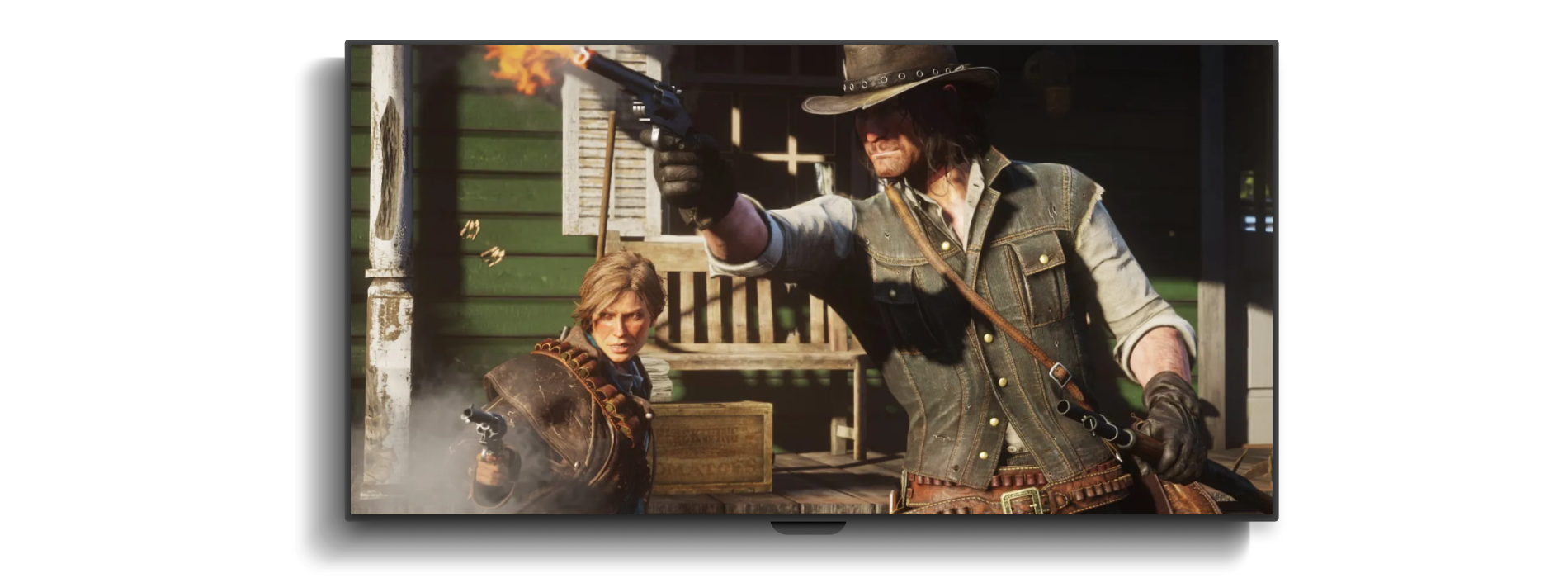
Games carried the frontier forward with just as much conviction. Red Dead Redemption and its sequel turned the West into one of the most detailed open worlds ever built – not because players wanted more shootouts, but because they kept proving, patch after patch, hour after hour, that they wanted to actually live inside this specific tension: freedom bought at the price of safety. Titles like Desperados III and Call of Juarez approached the same setting from a tactical, puzzle-driven angle, proving the frontier could support more than one kind of gameplay tension, not just an open road and a horse.
Why the Frontier Travels So Well
What's genuinely striking is how far this appeal travels outside the United States, and how differently it lands in each place. European audiences fell for the romance of the open frontier specifically as an escape from crowded, industrial city life – the Western offered a fantasy of space that post-war Europe simply didn't have on offer. Japan absorbed cowboy iconography so thoroughly in the 1960s that it fed directly back into samurai cinema, and later into anime, creating a strange two-way exchange between two completely different frontier mythologies that ended up shaping each other. China's relationship with the genre is newer, arriving after the reforms of the 1980s opened the door to Western media, and it's taken root there as much through theme parks and imported entertainment as through film and television. Australia's connection runs deeper than borrowed aesthetics – its own history of colonization and frontier expansion rhymes closely enough with the American West that the genre often reads as something closer to domestic mythology than an import.
The setting is American. The feeling underneath it – arriving somewhere with no rules yet fully decided, and having to work out who you can actually trust – clearly is not.
The Feeling Under the Hat
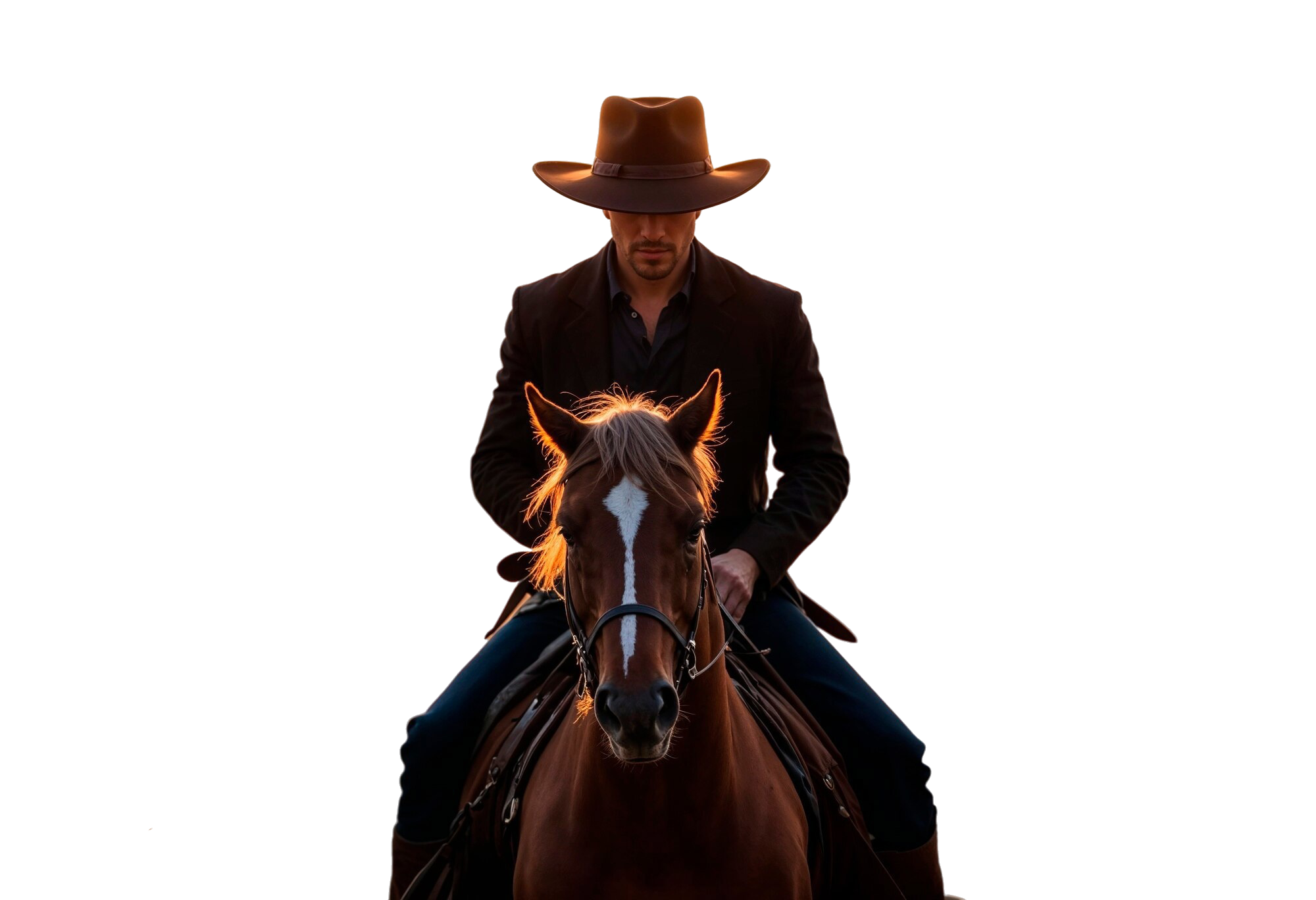
Strip away the setting entirely and the Western's emotional core turns out to be remarkably consistent across every era and every country that's adopted it: freedom bought at the price of safety. Nobody is protecting you out here – not fully, not automatically, not by default. That absence is genuinely unsettling, and at the exact same time, it's the entire appeal. It's a fantasy of being completely responsible for yourself, for better and for worse, in a place where the ordinary social contract hasn't fully arrived yet.
Layered on top of that is something the genre has always been unusually honest about, arguably more than most other adventure genres: conflict between people who each sincerely believe they're right. Settlers, lawmen, outlaws, native nations – almost no Western worth remembering treats any single side as simply good or simply evil. That moral friction is a large part of why the genre has aged better than a lot of its contemporaries from the same decades. It was already asking uncomfortable questions about who gets to write the law long before "morally complex" became a marketing category.
Four Ways Into the Frontier – And the One We Chose
Our source material for this world actually maps out four distinct protagonists who could each carry a full story here: a gold prospector chasing a map to a lost mine, a sheriff assembling a posse to run down a gang of raiders, an outlaw living by his own rules and his own loyalties, and a native warrior defending land and culture against encroaching settlers. Each of those is a complete, viable world on its own, with its own rhythm – the prospector's arc built on risk and reward, the sheriff's built on pursuit and justice, the outlaw's built on loyalty and consequence, the warrior's built on defense and continuity through ritual and community.
We built our first release around a fifth angle, one buried quietly inside the sheriff's storyline rather than sitting at its center: a stranger riding into the town of Tucson because the sheriff – a man he has personal history with – has simply vanished, and nobody in town seems especially eager to help him find out why.
That choice was deliberate, and it went against the genre's usual instinct. Most Western media front-loads the violence, because violence is what trailers sell. We wanted to front-load the suspicion instead – the specific, sustained tension of walking into a place where everyone is being slightly too calm, too rehearsed, too eager to point toward a bandit on the outskirts of town instead of the person standing two feet away. The source text is full of this instinct, in details that never once require a raised voice: a deputy's desk suspiciously free of dust in a room that should show weeks of neglect; a report ledger recording a suspiciously trouble-free stretch of days; a look held a half-second too long across a crowded room. None of that needs a single gunshot to generate real tension. It just needs a listener who's paying attention.

What the Story Actually Tracks
The shootouts still happen – a sniper's ambush in a hidden rock basin in the hills, a staged, coordinated attack on the bank timed for sunset – but they land with real weight precisely because the world spends genuine time on the quiet accumulation of evidence beforehand: a set of scratched marks on the inside of a jail cell door, left by someone who didn't stay long but stayed long enough to leave a warning; a note reading only two words, with no signature; a boot print with a distinctive, non-local heel pattern that turns up in three different places it has no business being. Piece by piece, these details stop being scenery and start being a map – one the listener is building right alongside the protagonist, not being handed after the fact.
The same symbol – three short marks and one long one – surfaces again and again across the story, in a cell door, on a wall beside a body, in the rhythm of a coded note. It never gets explained outright until the story is ready for it to be. That patience is unusual for the genre, and it's exactly what lets a listener feel like a detective instead of a passenger.

Who We Built This For
This world is aimed at several overlapping kinds of listener. People who love classic Western atmosphere and don't need a shootout every five minutes to stay engaged will find a world built almost entirely out of that atmosphere – heat, dust, silence, the specific sound of a town trying hard to look normal. People drawn to historical texture and the physical, tactile detail of frontier life – tack, tracks, terrain, the geography of a canyon that actually matters to how a scene plays out – get a world that takes those details seriously rather than treating them as set dressing. And people who simply enjoy a well-built mystery – reading a room, noticing what's conspicuously missing, trusting a hunch long enough to see it confirmed – get a structure built specifically around that pleasure, scene after scene.
If the loudest, most recognizable part of the Western genre is the noon gunfight, this world deliberately lives in the much longer, much quieter walk toward it – because that walk, we'd argue, is where the genre's real tension has always actually lived, underneath the myth it's most famous for.
Why the Frontier Still Feels "Cool" Right Now, Not Just Historical
It's worth asking directly: why does a 19th-century setting still feel current in 2026, instead of like a costume drama? A few forces are doing the work at once:
- Self-reliance is aspirational again. Off-grid living, homesteading channels, van life, "everything I own fits on a horse" minimalism – a huge slice of current culture is romanticizing exactly the skill set the frontier demanded by necessity, not by lifestyle choice.
- The genre keeps winning new audiences on its own merits. Red Dead Redemption 2 remains one of the best-reviewed games ever made almost a decade after release; prestige television keeps returning to the frontier (Yellowstone and its prequels being the clearest recent example) without leaning on nostalgia alone to sell it.
- The aesthetic migrated into everyday fashion and music. Western wear, "yeehaw" culture, country-adjacent pop crossovers – the frontier look shows up on runways and festival stages with no irony required, on a fairly regular cycle.
- It's one of the few genres built entirely around earned outcomes. Nothing in a Western is handed to anyone. In a culture increasingly anxious about what's automated, curated, or algorithmically served up, a world where every result is the direct product of someone's own choices reads as almost radical.
The Other Frontier We're Building: Gold Fever
Tucson's mystery is built on suspicion. But the frontier holds a second emotional register that's just as powerful, and it's the one we're developing next: obsession. Our source material's prospector storyline follows a man who sells everything he owns and rides the rail line out to the edge of the map, chasing something he can't fully explain even to himself. He tells himself it's gold. By the time he's standing on a fog-covered platform, watching the last locomotive that still connects him to civilized life pull away, it's clear the metal was never really the point.
What that storyline captures – and what Tucson deliberately doesn't – is the specific, restless hunger that pulls people toward a long-shot fortune: the fire strangers can't quite hide in their eyes, the way some talk about the promise of gold with trembling excitement while others go quiet on the subject entirely, as if the land already took something from them. Every rumor by a campfire, every sleepless night, carries the same invisible pull. That's not suspicion. It's want – a completely different engine for tension, and one with its own, very modern echo.